Home / Services / Asphalt Sealcoating
Driveways & Parking Lots · Central Florida

Professional Asphalt Sealcoating Services

Asphalt driveways and parking lots face regular exposure to sunlight, rain, vehicle traffic, and everyday wear. Professional asphalt sealcoating can help protect suitable asphalt surfaces, maintain a neat appearance, and form part of a regular pavement maintenance plan.

Sealcoating is most effective on suitable, properly prepared asphalt. It is not a substitute for repairing potholes, correcting drainage problems, or rebuilding a damaged pavement foundation.

Licensed & Insured Residential & Commercial 5★ Google Rated Free Estimates
Professional asphalt sealcoating Central Florida
100%
Free Estimates
Surface Protection

Professional Asphalt Sealcoating for Driveways and Lots

Asphalt sealcoating involves applying a protective coating over an existing asphalt surface. When the pavement is in suitable condition, the coating can help limit direct exposure to weather and everyday wear while giving the asphalt a more uniform appearance.

Whether you need driveway sealcoating for your home or parking lot sealcoating for a business, our team can discuss your pavement's condition and the maintenance it may need.

Professional sealcoating may be suitable for:

  • Residential asphalt driveways
  • Commercial parking lots
  • Office building parking areas
  • Retail and business premises
  • Private access roads and paved areas
  • Apartment complex asphalt surfaces

The right treatment depends on the pavement's age, condition, previous maintenance, and intended use. An inspection shows whether sealcoating is appropriate or repairs should come first.

The Basics

What Is Asphalt Sealcoating?

Asphalt sealcoating is a maintenance treatment that applies a specialized coating to the surface of existing asphalt, designed to help protect it from certain environmental and everyday wear factors.

Asphalt contains a bituminous binder that holds the aggregate together. Sunlight, weather, traffic, and oxidation gradually affect that binder and the look of the surface. Sealcoating can form part of a maintenance program intended to help preserve suitable pavement.

Before application, the surface should be assessed and prepared according to the coating product's requirements. Correct preparation and suitable weather are important for proper application and curing.

✓ Sealcoating can…

Help protect the surface and refresh the appearance of suitable asphalt.

⚠ Sealcoating can't…

Restore missing asphalt, repair deep cracks, correct settlement, or strengthen a failed base.

Why Sealcoat

Benefits of Professional Asphalt Sealcoating

Sealcoating is a preventive maintenance measure, not a structural repair. Its benefits depend on the asphalt's condition, preparation, product selection, and application quality.

Helps Protect the Asphalt Surface

A suitable sealcoat creates a protective layer over existing asphalt, helping limit direct exposure of the surface to certain weather and environmental factors.

Refreshes the Pavement Appearance

Asphalt loses its fresh, dark look over time. Asphalt surface protection through sealcoating helps create a more uniform finish on a suitable driveway or lot.

Forms Part of Preventive Maintenance

Routine inspections and timely maintenance help identify problems before they spread. Sealcoating can be one part of that plan when the surface is ready.

Residential and Commercial

Sealcoating can be considered for residential driveways, private parking spaces, and commercial lots — as long as the surface suits the selected coating.

A Professional Property Appearance

A clean, consistently maintained lot or driveway contributes to a property's presentation and creates a more orderly look for customers and visitors.
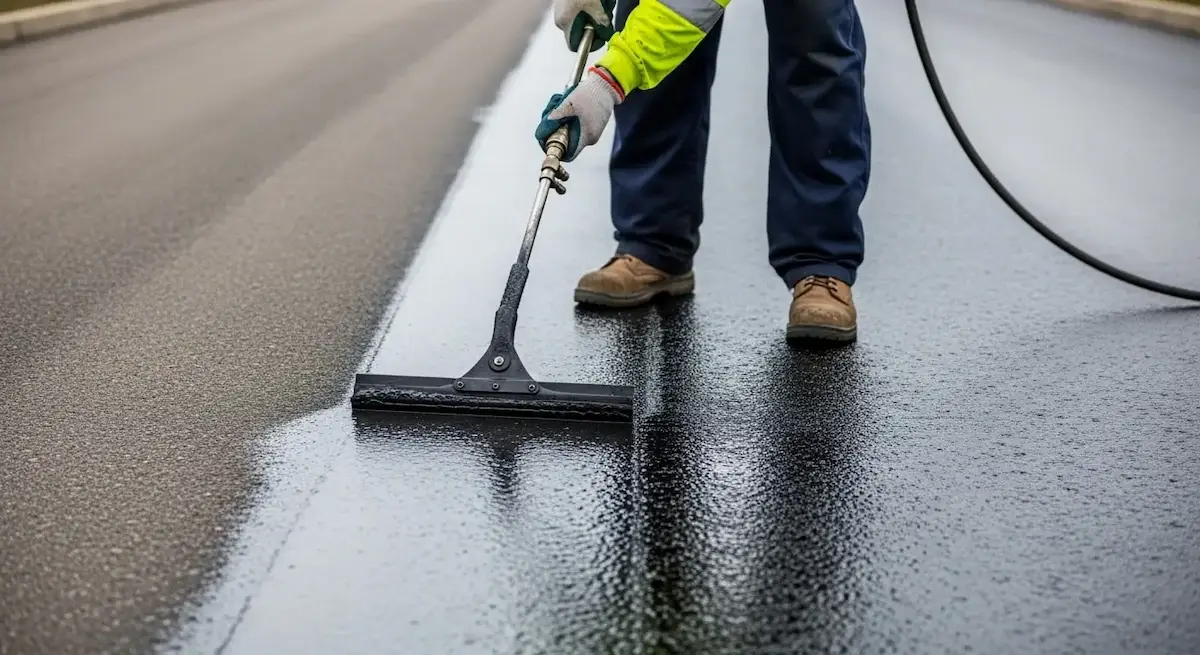
Sealcoat being applied to asphalt

Is Your Asphalt Ready?

We'll inspect it and tell you if sealcoating is the right step.

Get a Free Estimate
How We Work

Our Asphalt Sealcoating Process

A successful sealcoat application requires proper surface preparation, suitable conditions, and careful attention to the coating manufacturer's instructions.

01

Asphalt Surface Inspection

We check the asphalt for cracks, potholes, loose material, surface deterioration, drainage issues, and other defects.

Surfaces with major structural problems may need repairs or reconstruction before a coating can be considered.

02

Cleaning and Surface Preparation

Dust, dirt, leaves, and debris are removed so the coating adheres properly — often with pressure washing.

Oil spots and stubborn contaminants may need extra treatment before application.

03

Repairing Cracks and Damaged Areas

Depending on the damage, this may require asphalt crack filling, pothole repairs, or more extensive pavement repairs.

Sealcoat should never be used to cover untreated defects in the hope it will repair them.

04

Protecting Surrounding Areas

Concrete edges, buildings, drainage features, and other areas that should not receive sealcoat are protected.

On commercial sites, the work area is planned to manage pedestrian and vehicle access safely.

05

Applying the Sealcoat

The coating is applied to the selected product's specifications and the pavement's condition.

Coverage, conditions, and the number of coats follow the product instructions and project requirements.

06

Curing and Reopening the Surface

The sealcoat needs time to dry and cure. Timing depends on the product, temperature, humidity, and sunlight.

We tell you when the surface can reopen — not every sealed driveway or lot is ready at the same time.
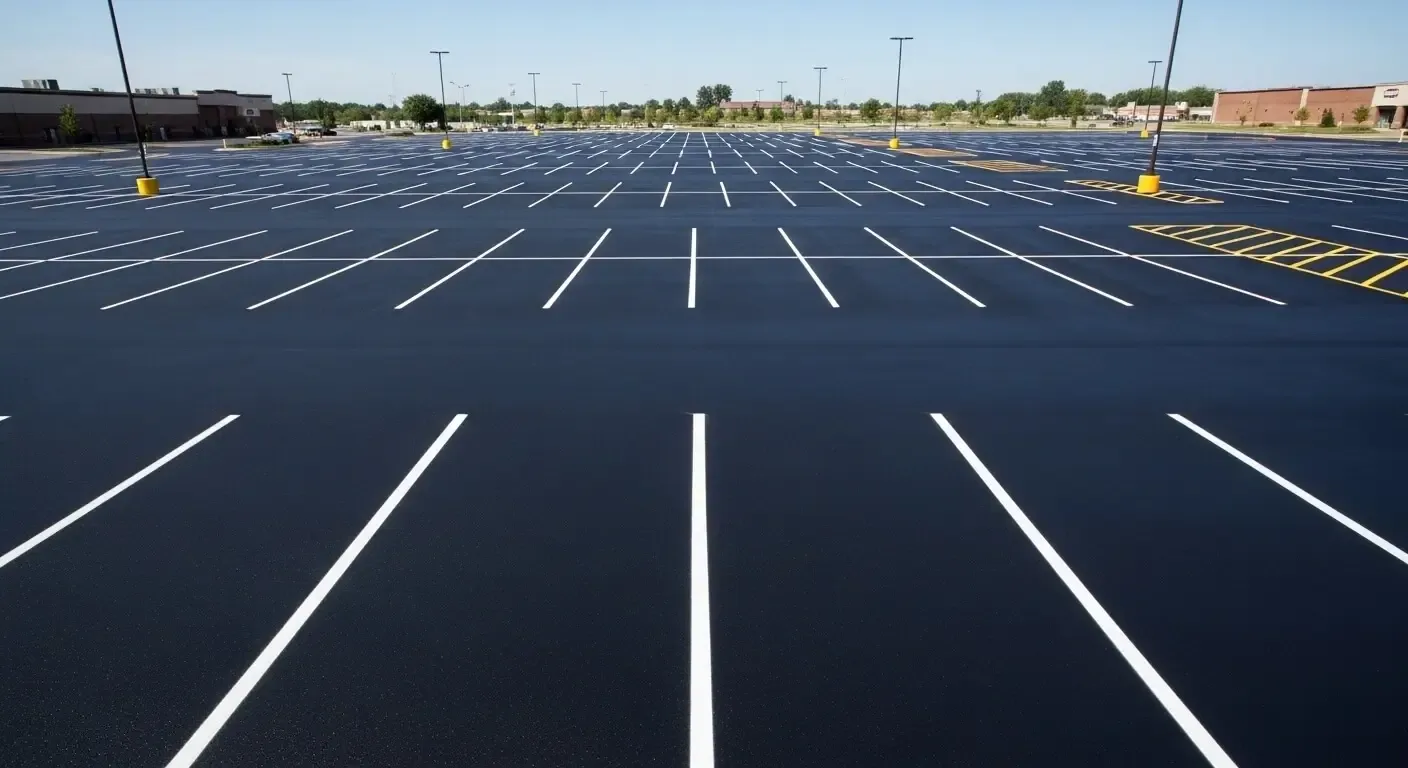
Completed parking lot sealcoating project

Need crack repairs or new striping too? We can coordinate them with your sealcoating in one project.

Plan My Project
Homes & Businesses

Driveway and Parking Lot Sealcoating

Driveways and commercial lots wear differently, so each surface is checked before a coating is recommended.
ResidentialResidential driveway sealcoating

Residential Driveway Sealcoating

Your driveway is exposed to sunlight, rain, vehicle movement, and regular parking. Residential asphalt sealcoating may be appropriate when a driveway is structurally sound but needs a maintenance coating to protect its surface and refresh its appearance.

Before sealcoating, we check for:
  • Cracks that may need filling
  • Potholes or missing asphalt
  • Areas of standing water
  • Oil stains and contamination
  • Loose or deteriorated edges
  • Signs of movement or base problems

With extensive damage, resurfacing or replacement may be more appropriate than sealcoating alone.

Seal My Driveway
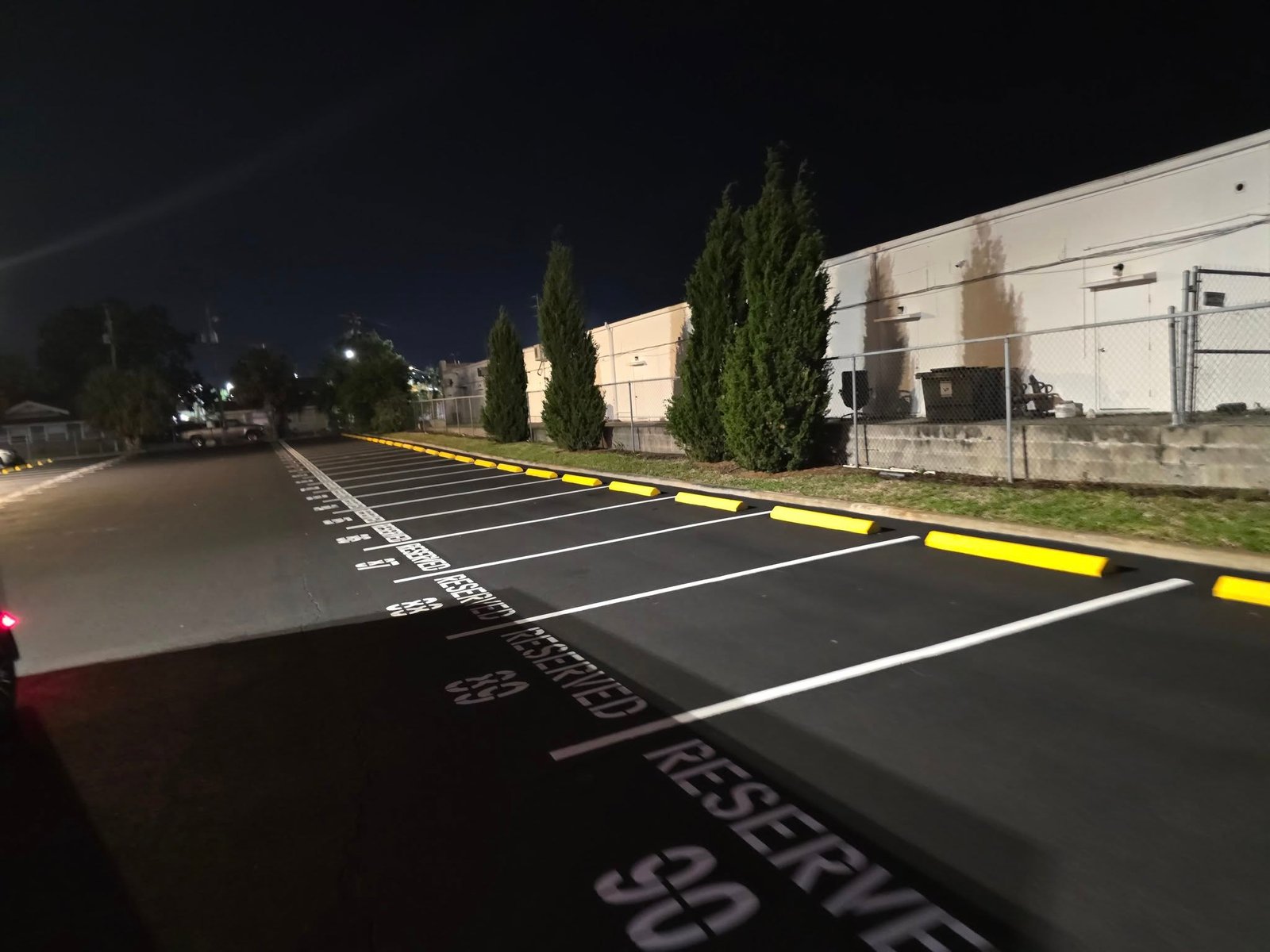
CommercialCommercial parking lot sealcoating

Commercial Parking Lot Sealcoating

Commercial lots see repeated turning, braking, and weather exposure. Commercial asphalt sealcoating may suit lots whose existing asphalt remains structurally sound. Parking availability, traffic flow, pedestrian access, and curing time are planned before work begins.

Properties that may benefit:
  • Retail stores and shopping areas
  • Office buildings
  • Restaurants and customer parking
  • Apartment complexes
  • Private business parking lots
  • Warehouses and commercial sites

Work can be coordinated with crack repairs and parking lot line striping, planned for the right stage of the project.

Seal My Parking Lot
Choose the Right Treatment

Asphalt Sealcoating vs. Asphalt Resurfacing

Sealcoating and resurfacing serve different purposes. The right choice depends on the condition of the existing pavement.

Maintain

Asphalt Sealcoating

Applies a protective maintenance coating over suitable asphalt. It does not add a new structural layer or correct major pavement defects.

Renew

Asphalt Resurfacing

Places a new asphalt layer over pavement that can support an overlay — when the surface needs renewal. Learn about resurfacing.

Rebuild

Asphalt Replacement

May be necessary with severe structural damage, extensive settlement, or a failed foundation. Sometimes crack filling or localized repair is enough.

When Should You Sealcoat Asphalt?

There is no single schedule for every driveway or lot — timing depends on condition, previous treatments, traffic, climate, and the coating manufacturer's recommendations.

New asphalt generally needs a curing period before sealcoating. Severe cracking, instability, or drainage problems should be evaluated first.

  • The asphalt is structurally sound but looks weathered
  • The surface is ready for preventive maintenance
  • Previous coating treatments have worn away
  • Cracks and localized defects have been addressed
  • The pavement is clean and suitable for coating
  • Weather allows correct application and curing
Pricing

What Affects Asphalt Sealcoating Costs?

The cost of professional asphalt sealcoating depends on the area being treated, the condition of the pavement, and the preparation required. Common factors include:

Surface Area

Larger driveways and parking lots generally require more coating material and labor.

Pavement Condition

Cracks, potholes, and damaged sections may need repairs before application.

Cleaning and Preparation

Oil stains, heavy debris, and other contaminants may require additional work.

Surface Layout

Edges, narrow sections, and obstacles can affect application time.

Coating Requirements

Product selection and application method influence material quantities.

Traffic Management

Commercial lots may require access planning or staged work.

Additional services: crack filling, asphalt repairs, and line striping may be priced separately.

A project-specific estimate gives a clearer picture of the work involved. All Pro Asphalt Maintenance LLC offers free estimates so you can discuss your needs before proceeding.

Aftercare

How to Maintain Asphalt After Sealcoating

Sealcoating is only one part of a wider asphalt pavement maintenance plan. Regular inspections and timely repairs remain important after the coating has cured.

01

Follow our instructions for curing and reopening the surface.

02

Keep the pavement free from leaves, dirt, and debris.

03

Check for standing water and blocked drainage areas.

04

Monitor cracks and arrange suitable repairs when needed.

05

Clean oil and chemical spills using appropriate methods.

06

Plan future sealcoating based on condition and product advice.

A coating cannot prevent all pavement damage. Heavy traffic, ground movement, drainage problems, and structural defects may still need separate attention. See our asphalt maintenance guide.

Why All Pro

Why Choose All Pro Asphalt Maintenance LLC?

Maintaining asphalt properly starts with choosing a treatment that suits the pavement. We work with residential and commercial property owners across Central Florida, and plan each project around:

  • 01Current condition of the asphalt
  • 02Amount and type of surface damage
  • 03Need for crack filling or repairs
  • 04Surface preparation requirements
  • 05Suitable application and curing conditions
  • 06Traffic management for drives and lots
  • 07Future maintenance needs

Professional Asphalt Sealcoating in Central Florida

Whether you own a home, manage a commercial building, or oversee a private parking area, contact us to confirm service availability for your property.

FAQ

Frequently Asked Questions

Common questions about professional asphalt sealcoating in Central Florida.

What are professional asphalt sealcoating services?

Professional asphalt sealcoating services involve preparing a suitable asphalt surface and applying a protective coating according to the product's requirements. The service may include an assessment, cleaning, and coordination with necessary repairs.

What is the purpose of asphalt sealcoating?

Sealcoating helps protect the surface of suitable asphalt from certain environmental and everyday wear factors. It can also refresh the pavement's appearance as part of a regular maintenance plan.

Can sealcoating repair cracks and potholes?

No. Cracks and potholes generally need to be repaired before sealcoating. The type of repair depends on the size, cause, and severity of the damage.

How often should an asphalt driveway be sealcoated?

There is no universal schedule for every driveway. Timing depends on the asphalt's condition, traffic, previous treatments, weather exposure, and the coating manufacturer's recommendations. The surface should be assessed before another application is planned.

Is sealcoating suitable for commercial parking lots?

Yes, sealcoating may be suitable for structurally sound commercial asphalt parking lots. The pavement should be inspected first, and the project should account for traffic, repairs, and the time required for curing.

How long does asphalt sealcoating take to dry?

Drying and curing times vary according to the product, temperature, humidity, sunlight, and surface conditions. Follow the contractor's instructions before allowing vehicles or pedestrians onto the treated area.

Can new asphalt be sealcoated immediately?

New asphalt generally needs time to cure before sealcoating. The appropriate waiting period depends on the asphalt mix, site conditions, and the coating manufacturer's recommendations.

What is the difference between sealcoating and resurfacing?

Sealcoating applies a maintenance coating to suitable existing asphalt. Resurfacing adds a new asphalt layer over suitable existing pavement. Neither should be used as a substitute for correcting major structural problems.

Does sealcoating prevent all asphalt damage?

No. Sealcoating can help protect the surface, but it cannot eliminate damage caused by heavy loads, ground movement, poor drainage, or a failing pavement foundation. Inspections and repairs remain important.

How can I get an asphalt sealcoating estimate?

Call us at 863-271-6850 or use our contact page to request a free estimate. Your location, approximate surface dimensions, and photographs help with the initial discussion.

Request a Professional Asphalt Sealcoating Estimate

Protecting suitable asphalt begins with proper assessment, preparation, and maintenance. We can discuss your driveway or parking lot and whether sealcoating is appropriate — anywhere in our Central Florida service area.