If you live in Tampa, Orlando, or anywhere across Central Florida, you already know how brutal the summer heat can be. But while you’re staying cool indoors, your asphalt driveway is taking a serious beating. Florida heat damage to asphalt driveways is one of the most common — and most overlooked — home maintenance issues in the state. With temperatures regularly topping 90°F and UV rays hitting at near-tropical intensity, asphalt in Florida deteriorates faster than in almost any other state in the country.
The good news? With the right knowledge and a proactive maintenance routine, you can protect your investment and dramatically extend the life of your driveway. In this guide, the team at All Pro Asphalt Maintenance breaks down everything you need to know about asphalt driveway damage in Florida heat — and exactly what to do about it.
Why Florida Heat Is So Harsh on Asphalt
High Temperatures (90°F+ Regularly)
Florida summers are relentless. Surface temperatures on asphalt can reach 140°F to 160°F on a hot day — far higher than the air temperature. Asphalt is a petroleum-based material, meaning it reacts to temperature changes. When it gets this hot, the binder that holds the aggregate together starts to soften, making the surface vulnerable to dents, ruts, and long-term structural breakdown.
Strong UV Radiation
Florida receives some of the highest UV radiation levels in the entire United States. Prolonged sun exposure causes oxidation of asphalt, breaking down the essential oils that keep pavement flexible and resilient. Over time, UV rays bleach the surface from deep black to a chalky gray, which is a visible sign that the asphalt is drying out and becoming brittle.
Humidity and Rain Combination
Florida’s famous rain-then-shine weather cycle creates a uniquely damaging pattern. Heat opens up micro-cracks in the pavement, and then heavy afternoon rains push water deep into those cracks. When the sun returns, trapped moisture heats and expands, accelerating pavement deterioration from the inside out. This moisture-and-heat combination is one of the biggest contributors to florida climate asphalt problems.
Common Signs of Heat Damage on Asphalt Driveways
Catching damage early is key to avoiding costly repairs. Here are the most common signs of heat damage in an asphalt driveway:
Cracks and Splitting
Hairline cracks are usually the first sign of trouble. As asphalt loses its natural oils through oxidation, it becomes brittle and unable to handle the thermal expansion and contraction that happens every single day in Florida. Left untreated, small cracks grow into large fissures that compromise the structural integrity of your entire driveway.
Fading to Gray Color
A well-maintained asphalt driveway should be deep black. When you notice it turning gray or patchy, that’s asphalt fading due to UV rays — a clear sign the surface is oxidizing and drying out. This isn’t just cosmetic. Faded asphalt is weakened asphalt.
Soft or Sticky Surface
Have you ever walked on your driveway in the middle of a Florida summer and felt it give slightly underfoot? That driveway surface softening is a real phenomenon. When asphalt gets too hot, the tar binder softens, and heavy vehicles — or even just foot traffic — can leave impressions. This is sometimes called tar bleeding, where the binder literally rises to the surface.
Blistering
Asphalt blistering occurs when air or moisture trapped beneath the surface expands due to extreme heat, forming bubbles or raised patches. These blisters eventually burst, leaving pits and rough patches across the surface.
Raveling (Loose Gravel)
Asphalt raveling is when the aggregate (small stones) begins to separate from the binder. You’ll notice loose gravel on your driveway surface, and the pavement will look and feel rough and pitted. This is a sign that the binder has degraded significantly — often accelerated by Florida’s heat and UV exposure.
What Causes Asphalt Driveway Damage in Hot Weather
Oxidation from UV Rays
UV rays break down the chemical structure of asphalt binder over time, a process called oxidation of asphalt. This makes the surface rigid, dry, and prone to cracking. Florida’s intense sunshine means this process happens faster here than in northern states.
Expansion and Contraction
Asphalt expansion and contraction in Florida is a daily cycle. The surface heats up dramatically during the day and cools at night. This constant movement puts stress on the pavement, eventually causing it to crack along stress points — especially near edges, joints, and areas with weak sub-base support.
Loss of Essential Oils
Fresh asphalt contains natural oils that keep it pliable and weather-resistant. Florida’s relentless sun essentially “cooks” those oils out of the pavement over time. Once gone, the asphalt can no longer flex — it becomes stiff and brittle. Sealcoating helps replenish and lock in those protective properties.
Water Penetration Combined with Heat
Moisture and heat damage work together in Florida. Water infiltrates through cracks, and the daily heat cycle turns that moisture into steam, expanding and pushing cracks apart from the inside. Over several seasons, this underground pressure can destabilize your driveway from below.
Can Asphalt Melt in Florida Heat?
This is one of the most common questions homeowners ask. The short answer: asphalt doesn’t fully melt, but it absolutely softens. Standard asphalt pavement is engineered to handle high temperatures, but when surface temps push past 140°F, the binder softens enough to deform under pressure.
This is why you might see ruts or tire tracks in a driveway after a delivery truck parks on it during a hot afternoon. Heavy vehicles, dumpsters, and equipment left on softened asphalt can leave permanent impressions. So while your driveway won’t turn into a puddle, asphalt melting in Florida heat is a real concern when it comes to surface deformation and long-term damage.
How to Protect Your Asphalt Driveway from Florida Heat
Sealcoating Every 2–3 Years
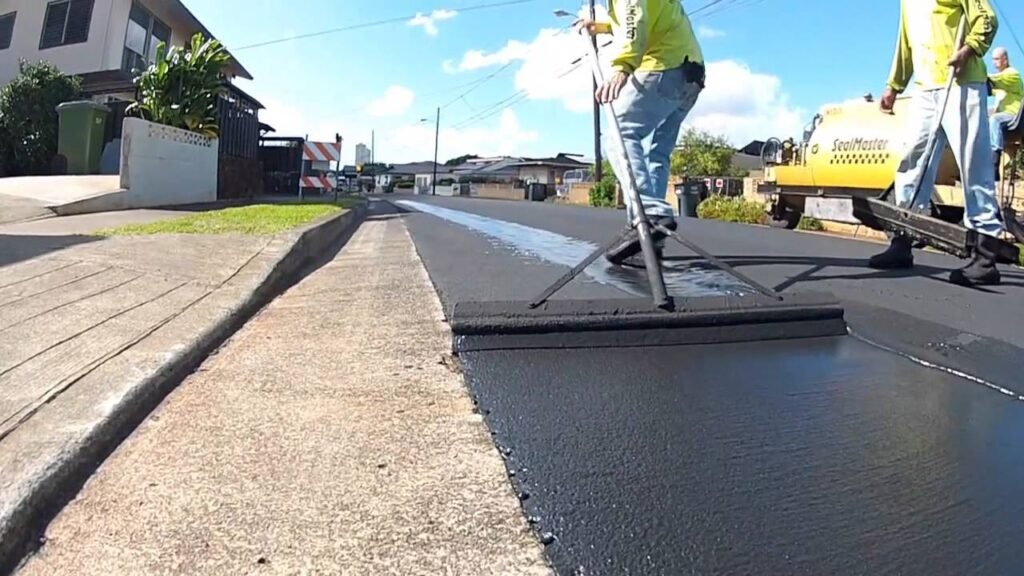
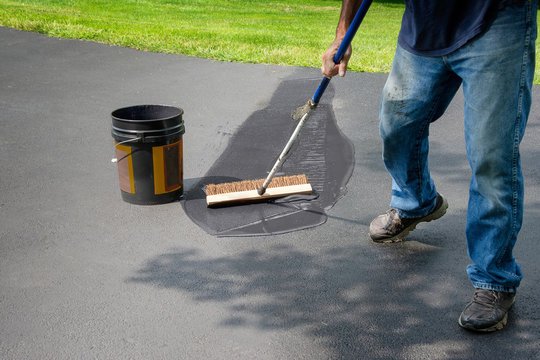
Sealcoating is the single most effective way to protect your driveway. A quality sealcoat creates a protective barrier against UV rays, oxidation, water, and oil. It slows down the aging process, restores the dark color, and fills minor surface imperfections. In Florida’s harsh climate, sealcoating every 2 to 3 years is strongly recommended — and it’s far less expensive than resurfacing or replacement.
Fill Cracks Early
Don’t ignore small cracks. Crack filling seals off entry points for water before they grow into serious structural problems. This is one of the most cost-effective hot weather asphalt maintenance steps you can take.
Clean Your Driveway Regularly
Oil, fuel, and chemical spills break down asphalt binder on contact. Regular cleaning — including professional pressure washing — removes these damaging substances before they penetrate the surface. It also preps the pavement properly before sealcoating.
Avoid Heavy Loads During Peak Heat
Try not to park heavy vehicles, RVs, or construction equipment on your driveway during the hottest part of the day (typically 12 PM–4 PM in Florida). If you must, place plywood boards under tires and kickstands to distribute weight and prevent impressions.
Ensure Proper Drainage
Standing water is the enemy of asphalt. Make sure your driveway has adequate slope and drainage to move water away from the surface quickly. If water pools near your driveway after rain, it’s worth addressing that issue alongside any asphalt repairs.
When to Repair or Replace Your Driveway
Small Cracks → Crack Filling and Sealcoating
If cracks are less than half an inch wide and the base is still solid, crack filling followed by sealcoating is usually all you need.
Moderate Damage → Resurfacing
If you have widespread cracking, fading, and surface deterioration but the sub-base is still intact, driveway resurfacing (applying a new layer of asphalt over the existing one) can restore performance and appearance at a fraction of replacement cost.
Severe Damage → Full Replacement
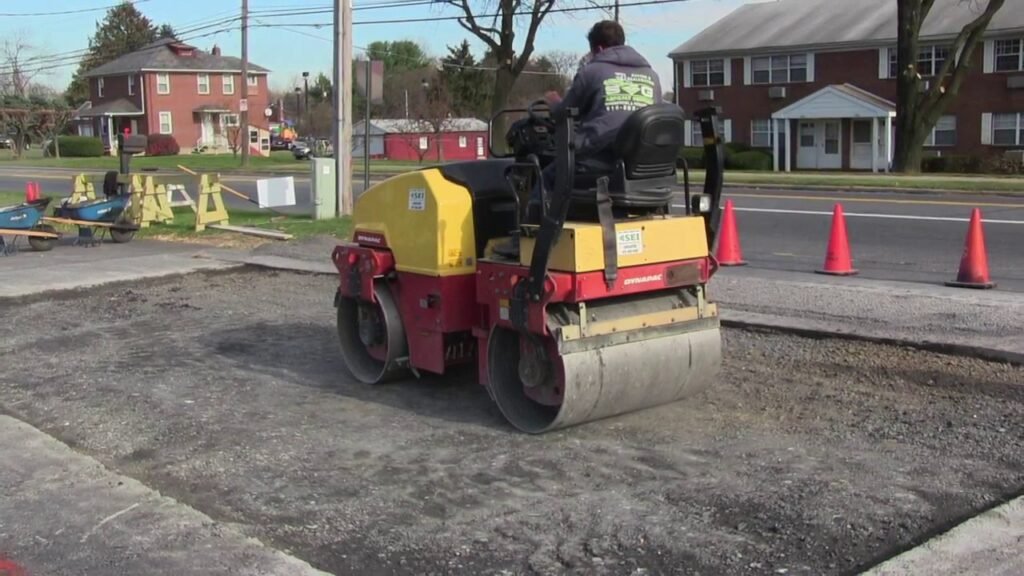
When cracks are deep, the sub-base is compromised, or the driveway has large potholes and structural failures, a full replacement is the most practical long-term solution. In Florida’s climate, a properly installed new driveway with regular maintenance can last 15 to 20 years or more.
Professional Asphalt Maintenance in Florida — All Pro Asphalt Maintenance
At All Pro Asphalt Maintenance, we specialize in protecting driveways and parking lots across Tampa, Orlando, Lakeland, and the surrounding Central Florida area. Our team understands the unique challenges that Florida’s climate poses for asphalt — because we work in it every day.
Whether you need a professional sealcoat, crack repair, full resurfacing, or a brand-new driveway, we bring the expertise and high-quality materials to get the job done right. We serve both residential and commercial clients, and every estimate is completely free with no pressure.
Call us today at 863-271-6850 or visit all-proasphaltmaintenance.com to request your free quote. Don’t wait until the damage gets worse — protect your driveway before Florida’s next heat wave hits.
Conclusion
Florida’s combination of extreme heat, intense UV radiation, and heavy rainfall makes it one of the toughest environments for asphalt in the country. From cracking and fading to blistering and raveling, asphalt driveway damage from Florida heat can sneak up on homeowners quickly. The key is proactive maintenance — especially regular sealcoating, early crack repair, and proper drainage.
With the right care and a trusted local partner like All Pro Asphalt Maintenance, your driveway can stay strong, safe, and looking great for years to come. Contact us today for a free estimate — because your driveway deserves the best protection against Florida’s sun.
Frequently Asked Questions
Does heat damage asphalt driveways in Florida?
Yes. Florida’s extreme heat accelerates oxidation, softens the binder, and causes cracking, fading, and surface deformation. Asphalt in Florida requires more frequent maintenance than in cooler climates.
How often should I sealcoat my driveway in Florida?
In Florida, experts recommend sealcoating every 2 to 3 years due to intense UV exposure and heat. Regular sealcoating is the most cost-effective way to extend your driveway’s lifespan.
Can asphalt melt in hot weather?
Asphalt doesn’t fully melt, but it softens significantly when surface temperatures exceed 140°F. This can cause ruts, depressions, and surface damage — especially under heavy vehicles.
What is the lifespan of an asphalt driveway in Florida?
With proper maintenance — including sealcoating and crack repair — an asphalt driveway in Florida can last 15 to 20 years. Without maintenance, heat and UV damage can shorten that to under 10 years.
What are the signs of heat damage in an asphalt driveway?
Key signs include surface cracking, fading from black to gray, a soft or sticky surface, blistering, raveling (loose gravel), and visible ruts or tire impressions.