Home / Services / Sealcoating Scheduling
Driveways & Parking Lots · Central Florida

Asphalt Sealcoating Scheduling Services

Asphalt driveways and parking lots are exposed to sunlight, rain, vehicle traffic, oil spills, and everyday wear. Timing sealcoating correctly helps homeowners and commercial property managers plan routine pavement care around the surface's real condition.

We assess your asphalt's condition, age, maintenance history, and the weather window — then schedule sealcoating when your pavement and conditions are right for it.

Licensed & Insured Weather-Planned Scheduling 5★ Google Rated Free Estimates
Asphalt sealcoating timing assessment Central Florida
Free
Timing Assessment
Our Assessment

Right-Time Sealcoating Assessment

The best time to sealcoat is when the pavement is suitable, the surface is properly prepared, and the weather allows the coating to be applied and cured to the manufacturer's instructions. There's no single date or interval that suits every driveway or lot.

When we plan your asphalt sealcoating schedule, we look at three factors:

01

Pavement Condition

The asphalt should be stable and suitable for a protective coating.

02

Weather Conditions

Rain, temperature, humidity, and drying conditions affect application and curing.

03

Maintenance History

Previous sealcoating, repairs, traffic, and surface wear shape when the next treatment fits.

Sealcoating protects suitable asphalt and restores a darker look, but it cannot repair structural damage or replace proper maintenance.

New Pavement

First-Time Sealcoating for New Asphalt

New asphalt needs time to cure and settle before sealcoating. Applying a coating too early may interfere with the surface's natural curing or affect how the treatment performs.

Paving DayNew asphalt installed
~6–12 MonthsCuring & settling period
First SealcoatWhen the surface is ready

Around 6 to 12 months is a common starting point, but the right timing depends on the asphalt mix, installation conditions, traffic, weather, and product recommendations. If you've recently had a driveway or lot paved, we'll confirm when the first sealcoat should go down.

Before We Sealcoat New Asphalt, We Check:

  • The asphalt has had adequate time to cure
  • The surface is stable and suitable for coating
  • Any installation-related issues are addressed
  • Weather is appropriate for the planned work
  • The coating is compatible with the asphalt surface
Schedule My First Sealcoat
Recurring Care

Ongoing Sealcoating Schedules for Driveways & Parking Lots

How often asphalt needs sealcoating depends on how it's used and how quickly it shows wear. We set your schedule around the product, traffic, weather exposure, condition, and previous treatments.
Every 2–3 yearsis a general planning reference — not a rule for every surface.
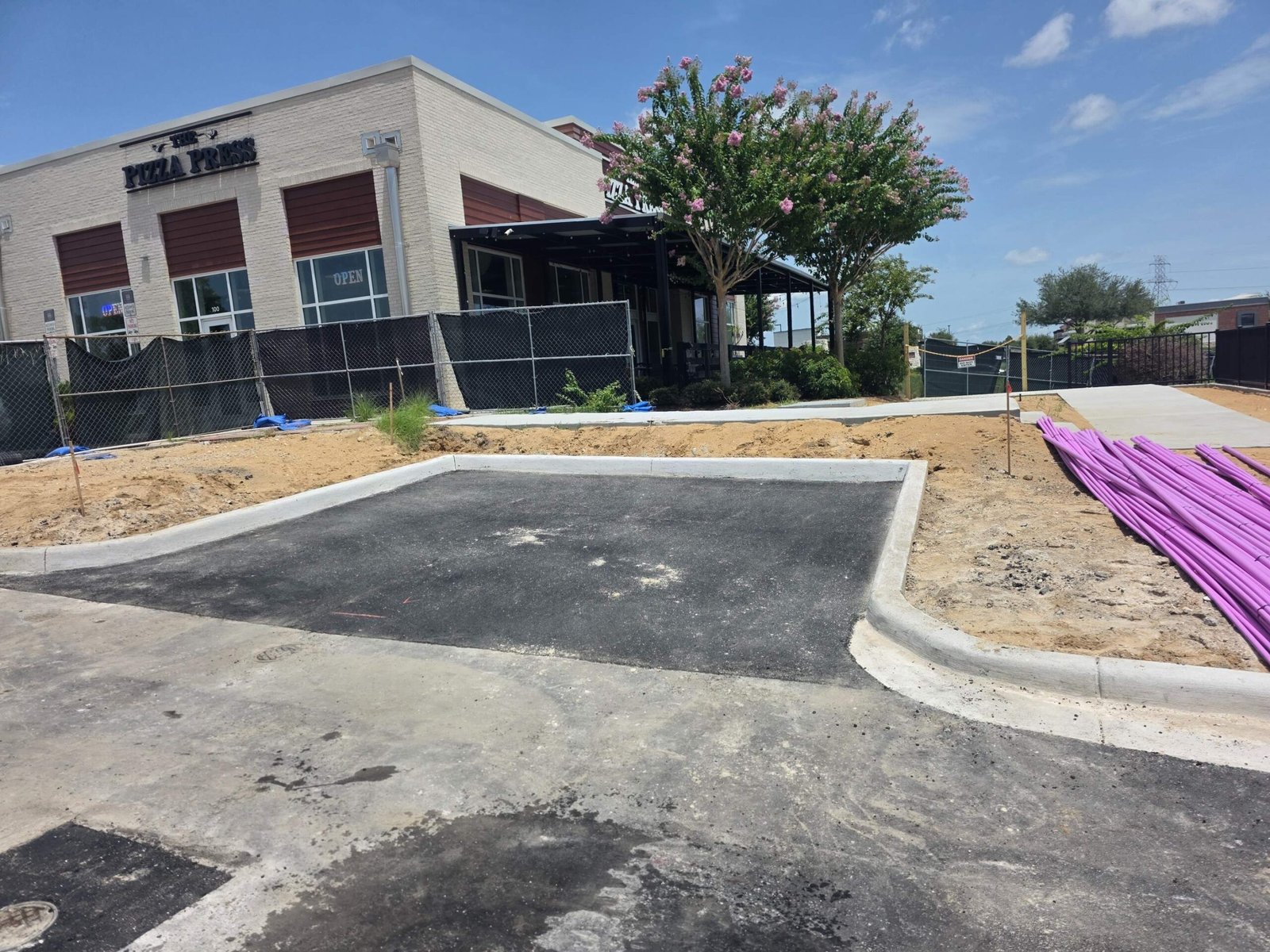
ResidentialResidential driveway sealcoating schedule

Residential Driveway Scheduling

Home driveways usually see less traffic than busy commercial lots. Their maintenance depends on vehicle use, sun exposure, drainage, and asphalt condition. Driveway sealcoating timing follows the driveway's appearance and condition — not a fixed calendar date.

We base timing on:
  • Vehicle use
  • Sun exposure
  • Drainage
  • Asphalt condition
  • Fading and wear
  • Previous sealcoat

Faded but structurally sound? See our residential driveway sealcoating service.

Plan My Driveway Schedule
CommercialCommercial parking lot sealcoating schedule

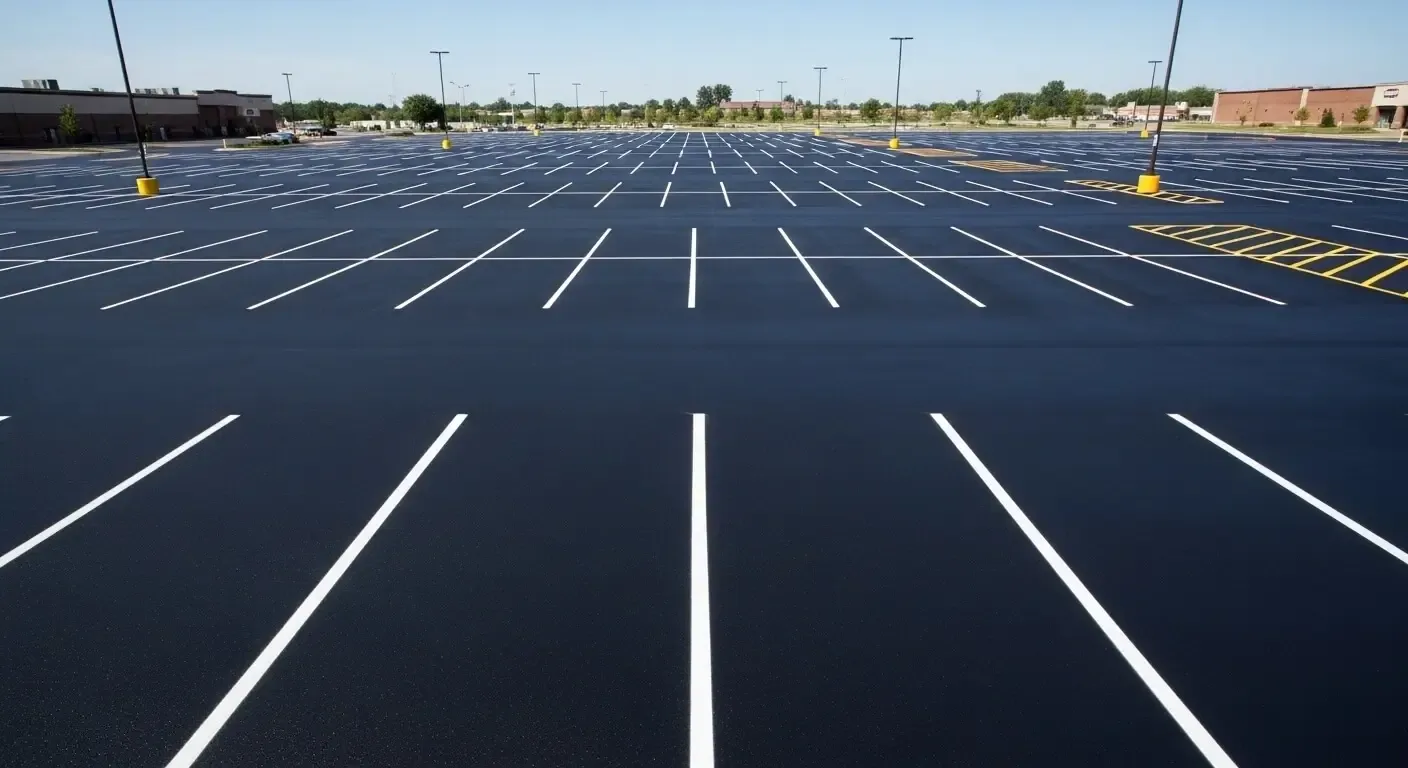
Commercial Parking Lot Scheduling

Commercial lots see higher traffic, repeated turning, and greater demands on access and appearance. Parking lot sealcoating is planned around vehicle activity, pavement condition, and your operating hours.

We coordinate with:
  • Crack filling
  • Asphalt repairs
  • Line striping
  • Curing time
  • Access restrictions
  • Business hours

Learn more about commercial parking lot sealcoating.

Plan My Lot Schedule
Know When to Call

Signs Your Asphalt Is Ready for Sealcoating

Recognizing these surface changes helps you arrange an inspection at the right time.

The Asphalt Has Turned Gray

Sunlight and aging fade dark asphalt to gray. Fading alone isn't damage — if the pavement is sound, asphalt surface protection through sealcoating may fit.

The Surface Looks Worn

Years of traffic and weather leave visible wear. If the pavement is stable without significant damage, a protective coating can refresh its appearance.

Minor Cracks Are Appearing

Small cracks are inspected first and may need separate asphalt crack repair. Larger, moving, or water-related cracks need more extensive work.

Routine Lot Maintenance Is Due

A commercial lot may need attention when it fades or planned maintenance is due — inspected first for potholes, drainage, and failed patches.

The Previous Sealcoat Has Worn

Traffic and weather wear coatings away. We check that the existing coating and asphalt suit another layer, so preparation gives proper adhesion.
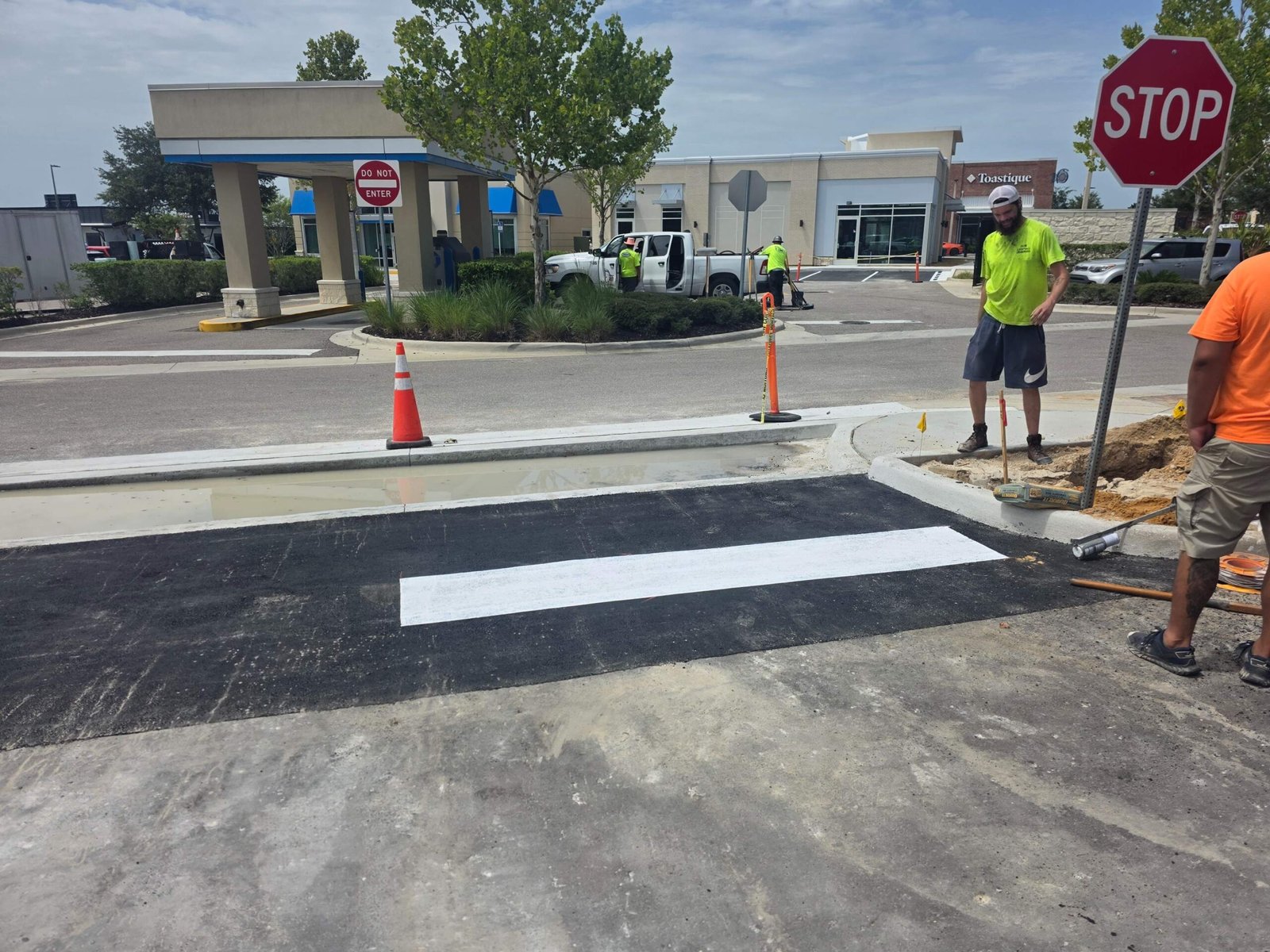
Asphalt driveway ready for sealcoating

Spotted One of These?

We'll inspect your asphalt and schedule the right work.

Request an Inspection
Know When to Call

Signs Your Asphalt Is Ready for Sealcoating

Recognizing these surface changes helps you arrange an inspection at the right time.

The Asphalt Has Turned Gray

Sunlight and aging fade dark asphalt to gray. Fading alone isn't damage — if the pavement is sound, asphalt surface protection through sealcoating may fit.

The Surface Looks Worn

Years of traffic and weather leave visible wear. If the pavement is stable without significant damage, a protective coating can refresh its appearance.

Minor Cracks Are Appearing

Small cracks are inspected first and may need separate asphalt crack repair. Larger, moving, or water-related cracks need more extensive work.

Routine Lot Maintenance Is Due

A commercial lot may need attention when it fades or planned maintenance is due — inspected first for potholes, drainage, and failed patches.

The Previous Sealcoat Has Worn

Traffic and weather wear coatings away. We check that the existing coating and asphalt suit another layer, so preparation gives proper adhesion.

Asphalt driveway ready for sealcoating

Spotted One of These?

We'll inspect your asphalt and schedule the right work.

Request an Inspection
Weather-Planned

Weather-Planned Sealcoating in Central Florida

Even a suitable driveway can give poor results if coated in the wrong conditions. We schedule every job around the factors that affect application and curing.

Rain and Moisture

The surface must be dry before application, and the coating protected from rain during drying and curing. We check the forecast and follow product weather requirements.

Temperature and Humidity

Products have specific temperature and application limits, and humidity changes drying speed. We follow the manufacturer's instructions, not a rough estimate.

Sunlight and Surface Temperature

Direct sun and hot pavement affect application. Timing accounts for product requirements and the actual surface temperature.

Seasonal Planning in Florida

Strong sun and seasonal rain shape scheduling here. We pick a suitable weather window with time for preparation, application, and curing — never assuming a month is always right.

Curing & Reopening

Curing and Reopening Management

Drying and curing time varies with product, temperature, humidity, airflow, and pavement. A surface can look dry before it's ready for traffic. Before reopening, we:

  • Follow the coating manufacturer's instructions.
  • Keep vehicles and pedestrians off for the required period.
  • Account for changing weather conditions.
  • We confirm when the surface can be used again.

For lots, we help you notify customers, staff, tenants, and drivers. For homes, plan alternative parking.

Schedule Around My Property
Done in the Right Order

Sealcoating and Repair Services in the Right Order

Sealcoating and repairs serve different purposes. When repairs are needed, we assess and plan them before sealcoating — so the coating protects sound pavement instead of covering damage.

STEP 1

Pothole Repair

Fix damaged sections where asphalt has broken away — sealcoat over a pothole doesn't repair it.

Learn more →
STEP 2

Crack Filling

Treat suitable cracks before they become more serious, based on size, type, and condition.

STEP 3

Sealcoating

Apply the protective surface treatment to maintain the asphalt and refresh its appearance.

Learn more →

Broader wear? Asphalt resurfacing may suit pavement that has wider wear but remains structurally suitable for an overlay — sometimes a more extensive solution is the better fit.

Explore Resurfacing
Planned Maintenance

Planned Asphalt Maintenance Inspections

A planned asphalt pavement maintenance schedule lets you monitor surface condition, arrange the right work, and catch problems that shouldn't be covered by sealcoat. Our inspections help you:

Cracks & Surface Wear

Identify visible cracks and wear.

Potholes & Drainage

Check for potholes and drainage problems.

Previous Repairs

Review the condition of past repairs.

Property Use

Plan maintenance around how the site is used.

Sealcoat Suitability

Confirm sealcoating is still the right fit.

Repair Budgeting

Budget for repairs or resurfacing when needed.

Asphalt Sealcoating Services in Central Florida

Faded driveway or commercial lot, or unsure if it's time for another treatment? We serve Central Florida — confirm availability for your location.

Request a Free Sealcoating Estimate

Call 863-271-6850 to discuss your property and schedule.
Get My Estimate
All Pro Asphalt Maintenance LLC inspection and sealcoating team
10+
Years Experience
FAQ

Sealcoating Timing FAQs

Common questions about when to sealcoat driveways and parking lots.

When should you sealcoat asphalt for the first time?

New asphalt often needs around 6 to 12 months before its first sealcoat, but the correct interval varies. Follow the paving contractor's advice and the sealcoat manufacturer's recommendations.

How often should asphalt be sealcoated?

Some surfaces may be considered for sealcoating every two to three years, but the interval depends on traffic, weather exposure, pavement condition, product requirements, and previous treatments.

What is the best time of year to sealcoat asphalt in Florida?

The best time is a period when the surface and weather meet the coating manufacturer's application and curing requirements. Rainfall, humidity, and pavement temperature matter more than a particular month.

Can you sealcoat asphalt with cracks?

The cracks should be inspected first. Suitable cracks may need separate crack-filling work, while deep or widespread cracking may require more extensive repairs.

Should new asphalt be sealcoated immediately?

No. New asphalt generally needs time to cure before its first sealcoat. The correct waiting period depends on the installation and product recommendations.

Can rain damage fresh sealcoating?

Rain during the critical drying or curing period can affect the coating. Scheduling should allow for suitable weather and follow the product instructions.

How long should I wait before driving on sealcoated asphalt?

Wait until the coating has dried and cured according to the manufacturer's instructions and the contractor's guidance. Weather and site conditions affect the required time.

Does faded asphalt always need sealcoating?

No. Fading may indicate surface aging, but the pavement should be inspected to determine whether sealcoating is appropriate. Damaged asphalt may require repairs instead.

Can sealcoating fix potholes?

No. Potholes need suitable repairs. Sealcoating is a surface treatment and cannot correct structural damage.

How do I know if my parking lot is ready for sealcoating?

The asphalt should be inspected for surface wear, cracks, potholes, drainage, and previous coating condition. Contact us at 863-271-6850 to book an inspection.

Schedule Your Sealcoating at the Right Time

We'll assess your driveway or parking lot, plan any repairs first, and book sealcoating in a suitable weather window. Free estimates across Central Florida.