Home / Asphalt Paving / Asphalt Resurfacing
Residential & Commercial · Central Florida

Asphalt Resurfacing for Driveways & Lots

Worn asphalt can affect the appearance, usability, and condition of driveways and parking areas. Asphalt resurfacing can be a practical option when the existing pavement remains structurally sound but its surface needs renewal.

All Pro Asphalt Maintenance LLC can assess your pavement and discuss whether resurfacing, localized repairs, or more extensive reconstruction is right for your property — starting with the existing surface, foundation, and drainage.

Licensed & Insured Driveways & Parking Lots 5★ Google Rated Free Estimates
Asphalt resurfacing for driveways and parking lots Central Florida
100%
Free Estimates
Asphalt Overlay

Professional Asphalt Resurfacing Services

Asphalt resurfacing generally involves placing a new asphalt layer over an existing pavement that is suitable for an overlay. It can renew the driving surface without complete removal and reconstruction of every pavement layer.

Before resurfacing begins, the existing asphalt must be evaluated. Widespread base failure, severe settlement, and unresolved drainage issues may require more extensive work than a new surface layer.

Our resurfacing services can be suitable for:

  • Worn residential driveways
  • Aging asphalt parking lots
  • Commercial access roads and paved areas
  • Private parking areas
  • Existing asphalt with surface-level deterioration
  • Driveways and lots that need a new overlay

The appropriate treatment depends on the pavement's condition, site requirements, and intended use. An assessment helps determine whether resurfacing is a suitable investment.

The Basics

What Is Asphalt Resurfacing?

Asphalt resurfacing is a pavement renewal process in which a new layer of asphalt is placed over a prepared existing surface. It is often called an asphalt overlay.

Unlike complete reconstruction, resurfacing typically retains the existing pavement foundation when that foundation is suitable for continued use. The old surface may need cleaning, repairs, preparation, and adjustments before the new layer is installed.

Resurfacing can address certain forms of surface wear and provide a more uniform appearance. However, it does not automatically correct deep structural cracks, unstable ground, or serious drainage problems.

✓ Often a fit when…

The foundation is stable and surface wear is the main concern.

⚠ Usually not when…

There is base failure, severe settlement, or unresolved drainage.

How We Work

Our Asphalt Resurfacing Process

A successful resurfacing project requires more than applying fresh asphalt. The condition of the existing pavement and the preparation completed beforehand play important roles in the result.

01

Existing Pavement Inspection

We inspect the driveway or parking lot — visible cracks, potholes, depressions, surface wear, drainage patterns, and signs of movement.

This shows whether damage is limited to the surface or extends into the supporting layers.

02

Surface Cleaning and Preparation

Loose debris, dirt, vegetation, and other materials are removed to create a suitable surface.

Preparation may also involve removing loose asphalt, correcting unsuitable areas, or completing localized repairs.

03

Repairing Damaged Areas

Defects are addressed before the new layer — pothole repairs, crack treatment, asphalt pavement repair, or localized reconstruction.

Areas with a failed base may need deeper repairs, or the damage can reappear through the new surface.

04

Checking Grading and Drainage

Standing water and poor drainage contribute to deterioration and shorten the life of a resurfaced area.

We account for slopes, drainage points, pavement edges, and connections. Substantial corrections are included in the project scope.

05

Applying the Asphalt Overlay

The new asphalt layer is placed to the project's specifications.

Material, layer thickness, and paving method depend on the existing surface, site conditions, and expected traffic.

06

Compaction and Finishing

Compaction helps the asphalt achieve the required density. Surface, edges, transitions, and connections are checked against the project requirements.

We explain when the resurfaced area can be opened to vehicle traffic.
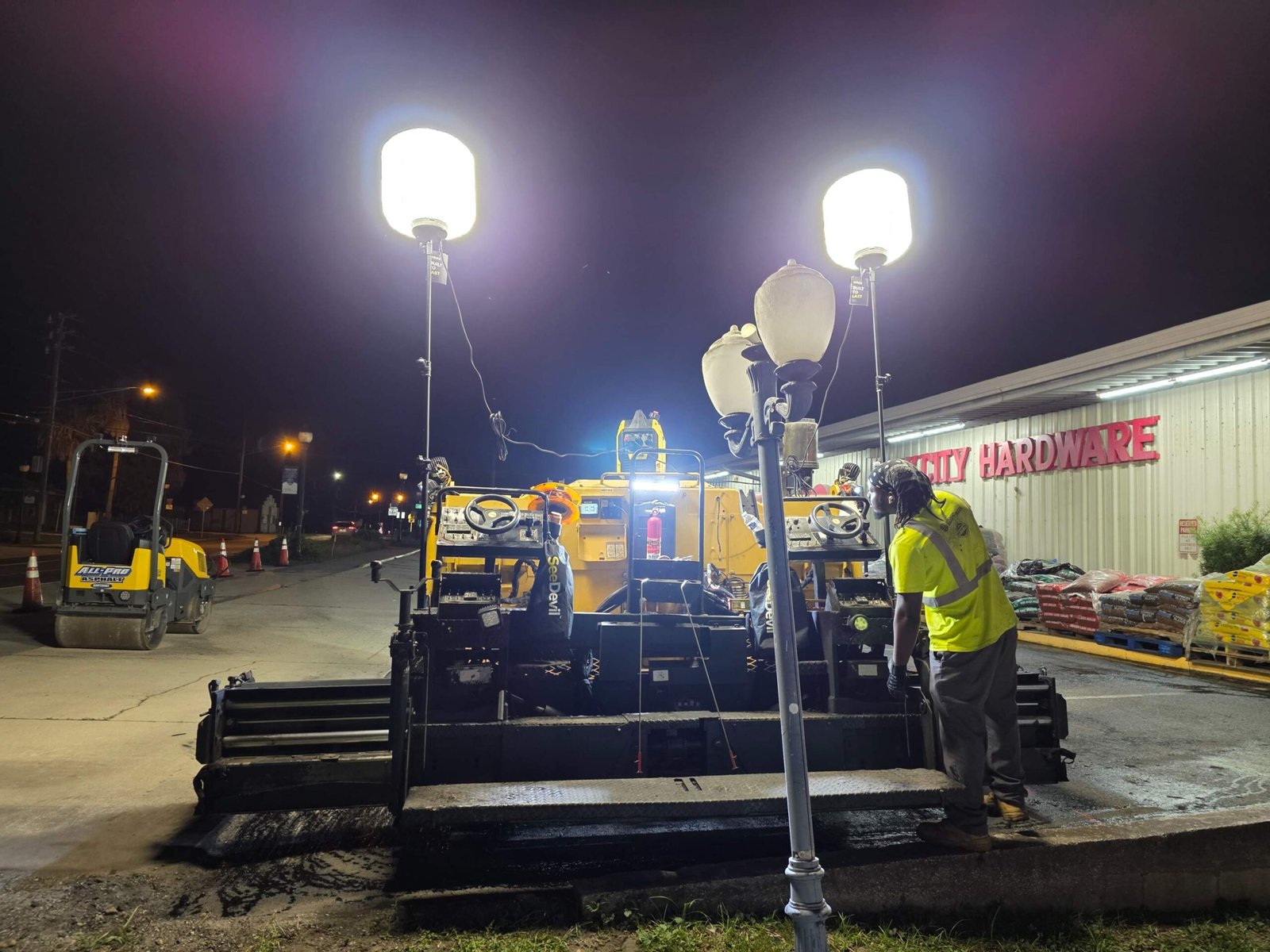
Asphalt overlay being placed during resurfacing

Not sure if your pavement can take an overlay? Step 1 is a free inspection — we'll tell you honestly.

Book an Inspection
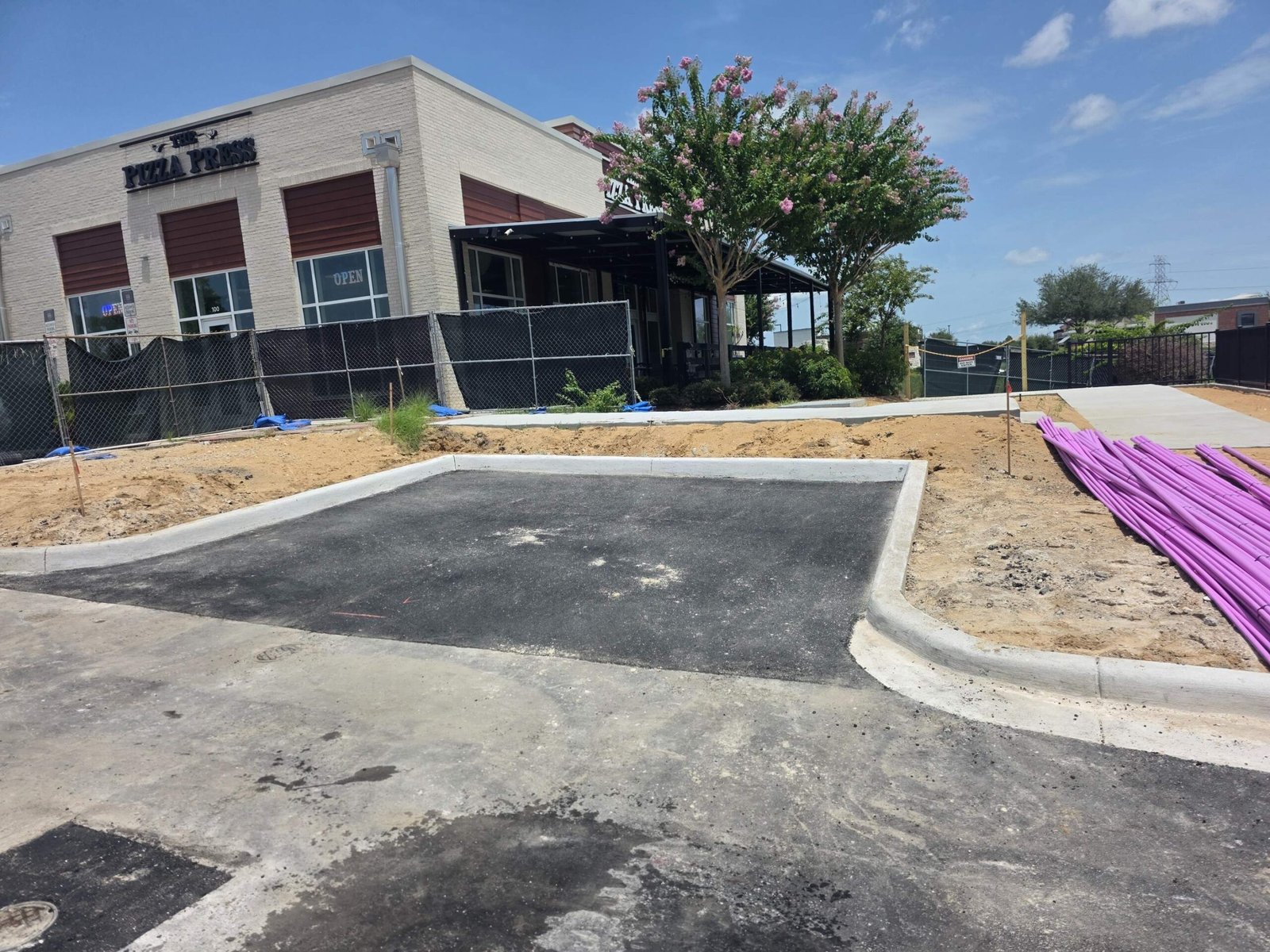
Asphalt driveway resurfacing Central Florida
Homes
Residential Resurfacing
Residential

Asphalt Driveway Resurfacing

A driveway is used frequently, so surface deterioration affects daily access to your home. Asphalt driveway resurfacing may be appropriate when the driveway has surface wear but remains stable enough to support an overlay — renewing its appearance and creating a more consistent surface.

Before recommending an overlay, we assess:

  • The extent and type of cracking
  • Existing potholes and depressions
  • The condition of the pavement foundation
  • Drainage and water runoff
  • Height vs. garage, sidewalks & adjoining surfaces
  • The condition of the pavement edges

If the driveway has extensive structural damage, partial or complete reconstruction — like a residential asphalt paving project — may be the better long-term solution.

Commercial

Parking Lot Resurfacing for Commercial Properties

Commercial lots carry everything from passenger vehicles to delivery trucks. Over time, the asphalt may develop surface wear, cracking, and uneven areas. Parking lot resurfacing can renew an existing paved area when the underlying pavement remains suitable for an overlay — and gives a better base for new markings when line striping is included.

Resurfacing may be considered for:

  • Retail parking lots
  • Office building parking areas
  • Restaurant parking spaces
  • Apartment complex parking areas
  • Private business car parks
  • Warehouse & commercial paved areas

The work should account for traffic loads, drainage, pavement condition, entrances, and existing markings. Commercial sites may also need a plan for managing vehicle and pedestrian access during construction.
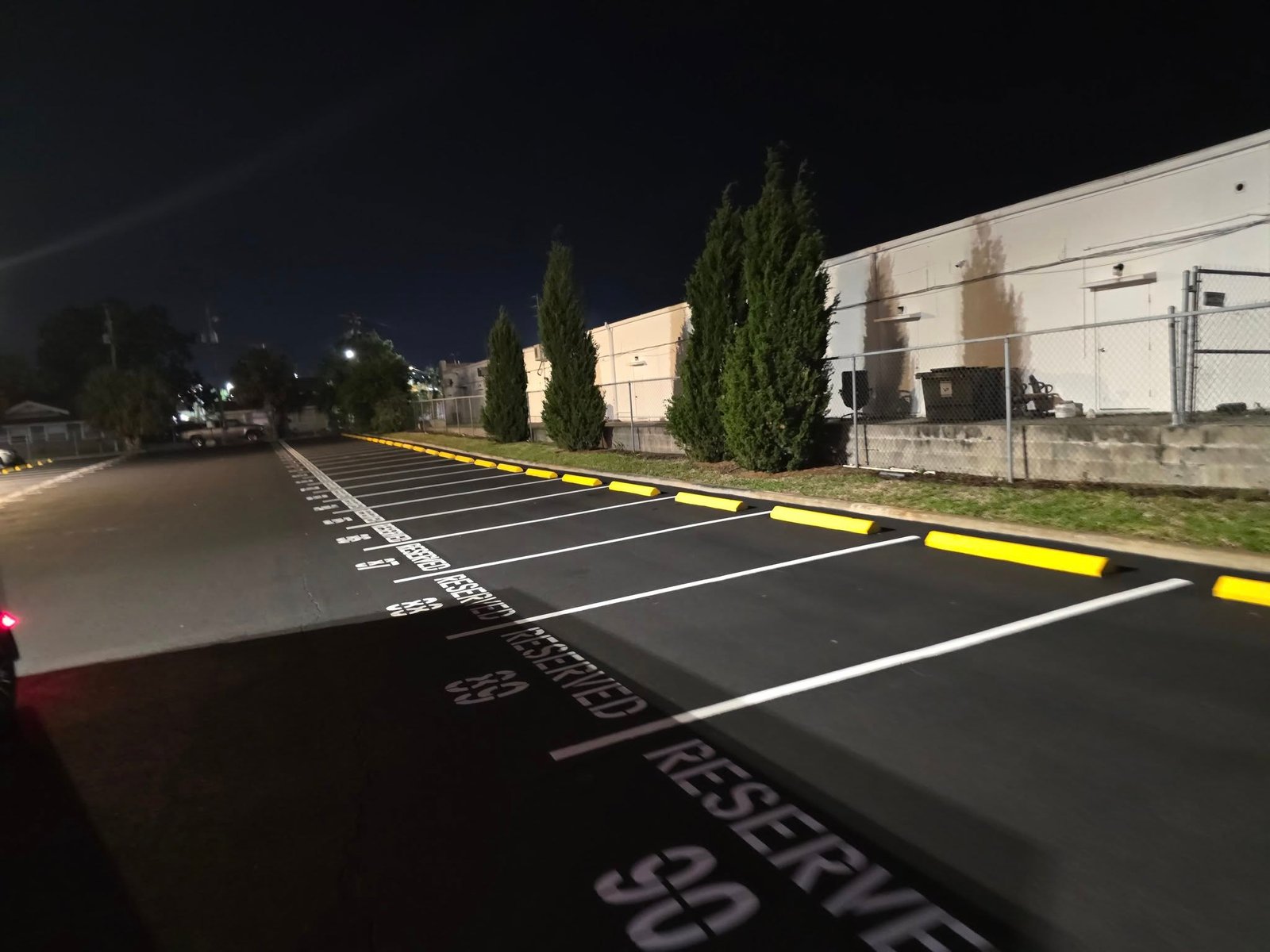
Commercial parking lot resurfacing Central Florida
Lots
Commercial Resurfacing
Why Resurface

Benefits of Asphalt Resurfacing

When the existing pavement is suitable, resurfacing offers several practical advantages. It is not suitable for every damaged pavement — the best option depends on the asphalt's condition and the causes of deterioration.

Renews the Pavement Appearance

A new asphalt layer provides a more uniform finish and makes an aging driveway or parking lot look better maintained.

Retains a Suitable Existing Foundation

Resurfacing makes use of an existing pavement structure when it remains stable and meets overlay requirements — which may avoid complete reconstruction.

Addresses Certain Surface Defects

Surface wear and some localized problems can be treated during preparation and resurfacing. The repairs needed depend on the existing asphalt.

Residential and Commercial

An overlay can be considered for driveways, parking lots, and other paved areas when the existing pavement is appropriate for resurfacing.

Combines With Other Maintenance

Resurfacing may be coordinated with localized repairs, grading adjustments, and new parking lot markings — confirmed before the estimate is finalized.

Freshly resurfaced asphalt

Is Your Pavement a Good Fit?

We'll inspect it and tell you whether an overlay makes sense.

Get a Free Estimate
Choose the Right Option

Asphalt Resurfacing vs. Asphalt Replacement

Choosing between resurfacing and replacement depends on the condition of the existing pavement.
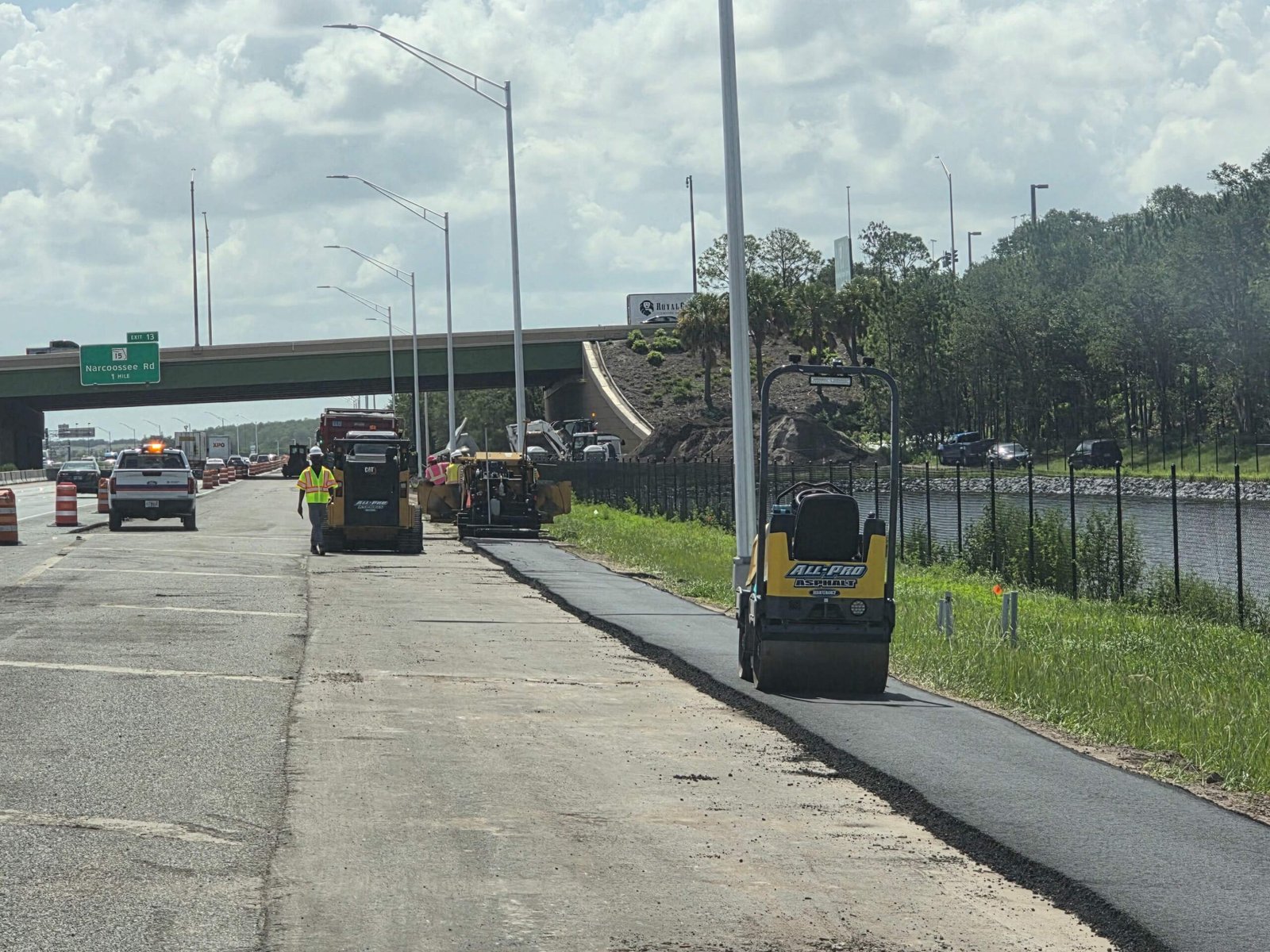
Asphalt resurfacing overlay
Resurface

Asphalt Resurfacing

Adds a new layer over a suitable existing surface. May be appropriate when the pavement foundation remains stable and surface wear is the main concern.
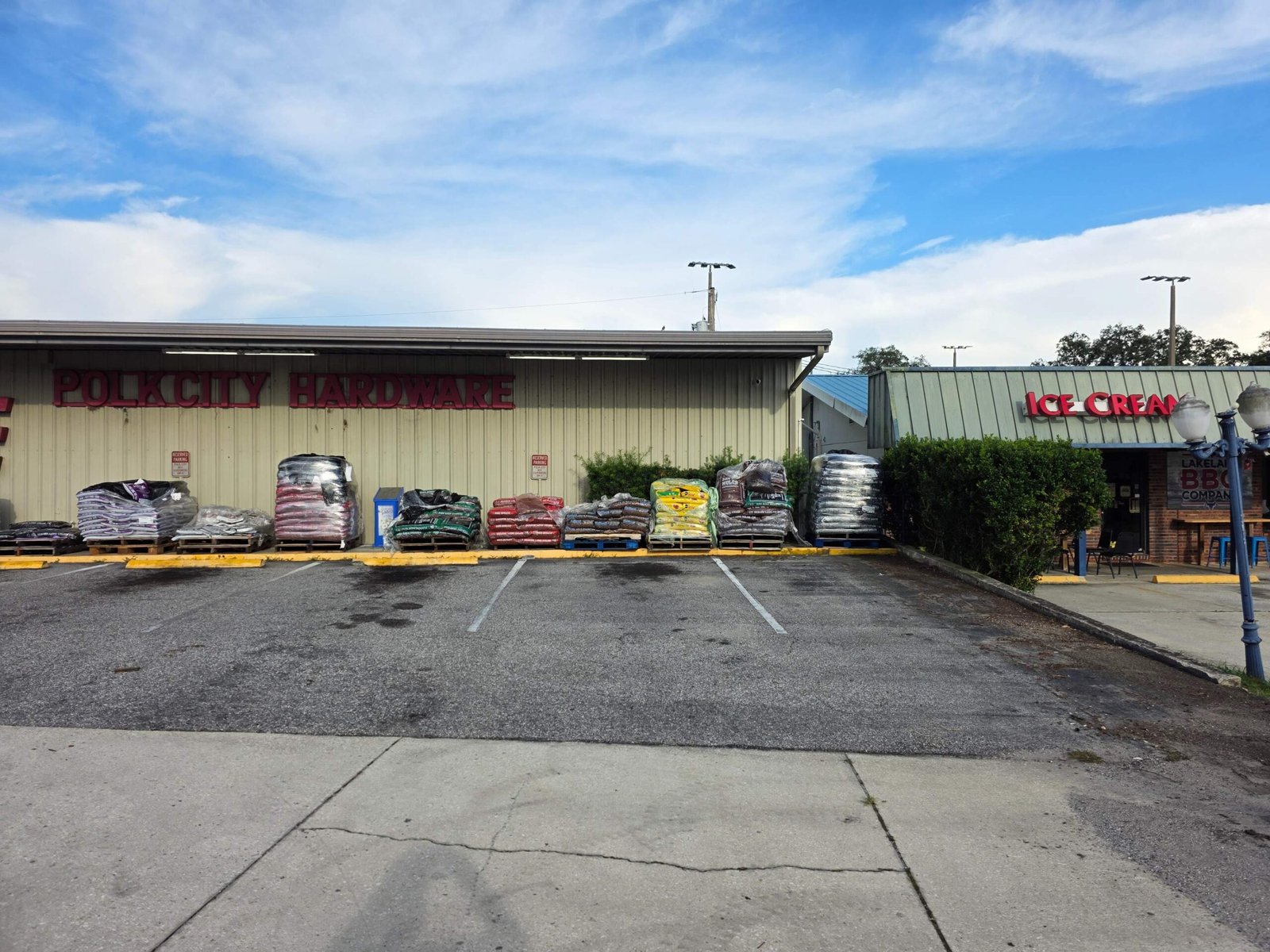
Asphalt replacement and reconstruction
Replace

Asphalt Replacement

Removes some or all of the existing pavement and rebuilds the affected layers. May be necessary with extensive cracking, recurring potholes, severe settlement, or a failed foundation.

In some situations, localized repairs can address isolated defects without resurfacing the entire area. A pavement inspection identifies the likely cause of damage and the right approach — so you don't pay for an overlay that won't resolve underlying problems.
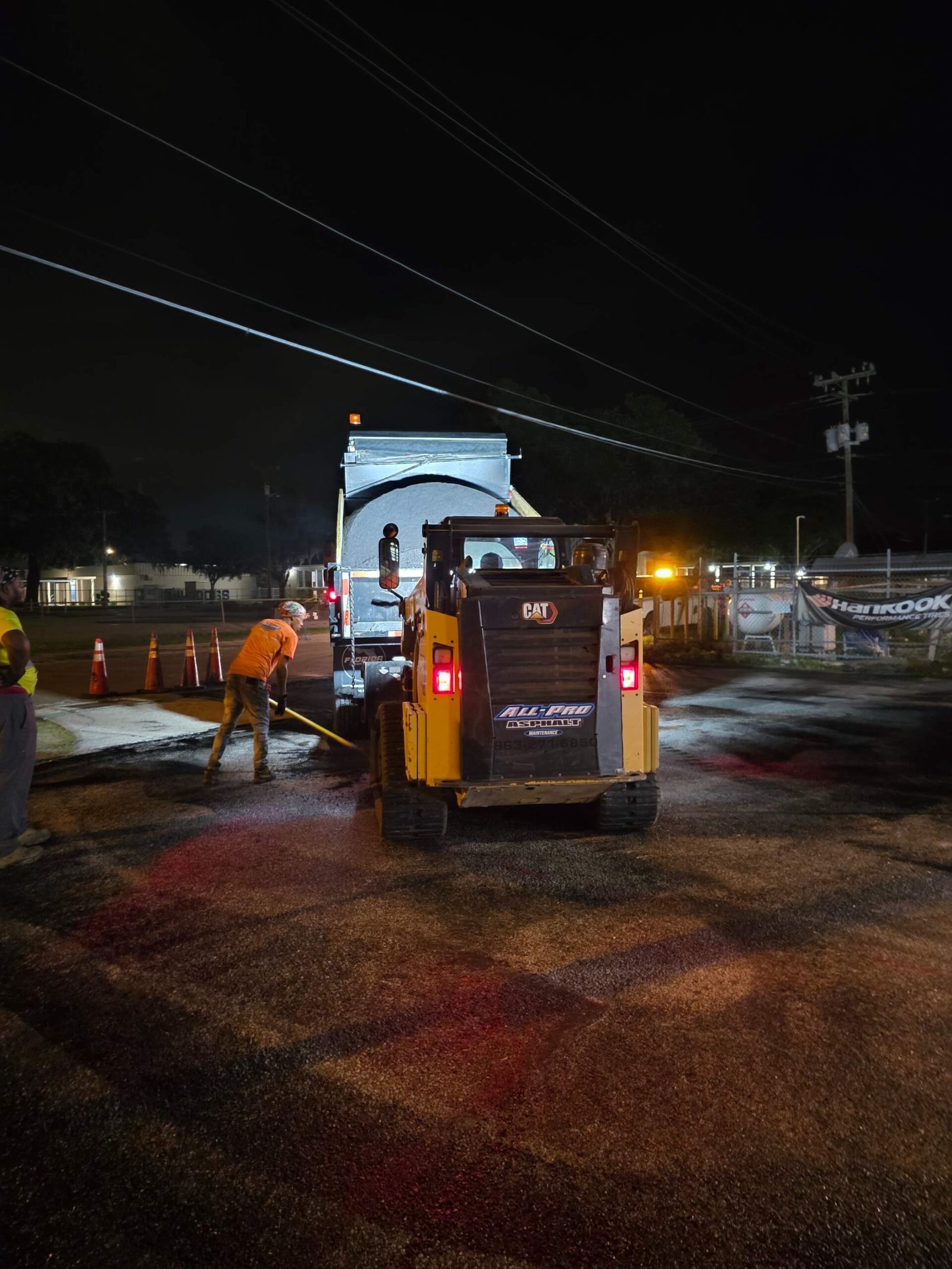
Pricing

How Much Does Asphalt Resurfacing Cost?

The cost of asphalt resurfacing for driveways and lots depends on the size of the area, the condition of the existing pavement, and the work required before the new layer is installed. Factors include:

Area Size

Larger driveways and parking lots require more asphalt and labor.

Existing Pavement Condition

Cracks, potholes, and damaged areas may need repairs before resurfacing.

Preparation Work

Cleaning, milling, loose material removal, and surface adjustments affect cost.

Overlay Thickness

The required asphalt layer depends on site conditions and project specifications.

Drainage Requirements

Correcting water runoff or drainage problems may add work.

Site Access

Restricted access and complex layouts affect equipment use and labor.

Additional services: new line striping, pavement markings, and related work may be priced separately.

The most reliable way to understand your cost is to have the area assessed and get an estimate based on its actual requirements. All Pro Asphalt Maintenance LLC offers free estimates.

Warning Signs

Signs Your Driveway or Parking Lot May Need Resurfacing

Not every damaged asphalt surface requires an overlay. However, these signs indicate that an inspection may be worthwhile.

01

Faded or Worn Surface

The pavement looks aged, uneven in color, or worn from regular use. If the underlying structure is sound, resurfacing may be an option.

02

Widespread Surface Cracking

Cracks can let water into the pavement. Their depth, pattern, and cause should be assessed before deciding whether resurfacing is appropriate.

03

Repeated Minor Surface Repairs

Multiple areas of surface damage may mean a broader treatment is more suitable than continuing isolated repairs.

04

Uneven Appearance

Minor irregularities can be addressed during preparation, but significant depressions or settlement can indicate deeper problems to correct first.

05

Aging Parking Lot Surface

An aging commercial lot may need a condition assessment to determine whether resurfacing, repairs, or reconstruction is the right option.

Seeing Any of These?

Arrange an inspection before the issues become more extensive.

Schedule an Inspection
Maintaining resurfaced asphalt
Aftercare

Maintaining Resurfaced Asphalt

Once resurfacing is complete, routine care helps preserve the condition of the new surface. Recommended practices include:

01

Follow the contractor's instructions before opening the area to traffic.

02

Keep the pavement and drainage areas clear of debris.

03

Monitor the surface for cracks, standing water, and localized settlement.

04

Arrange repairs when defects first appear.

05

Keep parking lot markings visible where applicable.

06

Consider sealcoating when appropriate for the pavement's condition and plan.

Sealcoating is a separate maintenance treatment. It does not replace resurfacing or repair a failed pavement foundation. The right approach depends on the age, condition, and use of the asphalt — see our asphalt maintenance and repair guide.

Why All Pro

Why Choose All Pro Asphalt Maintenance LLC?

Choosing the right contractor for asphalt resurfacing starts with understanding the condition of your pavement and the work required to prepare it.

We provide asphalt paving and maintenance services for residential and commercial property owners across our Central Florida service area. When assessing a resurfacing project, important considerations include:

01
Pavement Condition

Existing pavement condition.

02
Cause & Extent of Damage

The cause and extent of surface damage.

03
Base & Drainage

Base stability and drainage.

04
Vehicle Types

The type of vehicles using the area.

05
Repairs & Preparation

Required repairs and surface preparation.

06
Intended Use

The intended use of the driveway or parking lot.

07
Future Maintenance

Future maintenance needs.

Our team can discuss these factors with you and help you understand the options available for your property.

All Pro Asphalt Maintenance LLC resurfacing contractor
10+
Years Experience
Service Area

Asphalt Resurfacing Services in Central Florida

All Pro Asphalt Maintenance LLC serves customers within its Central Florida service area. If your driveway or parking lot has become worn, contact our team to confirm service availability for your location.

Whether you manage a commercial parking area or own a home with an aging driveway, the first step is to assess the existing asphalt. We can discuss your project's size, current pavement condition, and intended use to establish the scope of work.

DrivewaysParking LotsAccess RoadsPrivate Lots
FAQ

Frequently Asked Questions

Common questions about asphalt resurfacing for driveways and parking lots.

What is asphalt resurfacing?

Asphalt resurfacing involves placing a new asphalt layer over an existing pavement that is suitable for an overlay. Preparation and repairs may be needed before the new layer is installed.

Is resurfacing cheaper than replacing asphalt?

Resurfacing can cost less than complete replacement when the existing pavement structure is in suitable condition. However, the final cost depends on the required preparation, repairs, materials, and site conditions.

Can a cracked driveway be resurfaced?

Some driveways with limited cracking may be suitable for resurfacing after the necessary repairs. Severe cracking, movement, or foundation problems may require reconstruction rather than an overlay.

How long does asphalt resurfacing take?

The schedule depends on the size of the driveway or lot, the amount of preparation required, weather conditions, and the project's specifications. Your contractor can provide a more accurate estimate after inspecting the site.

Can a commercial parking lot be resurfaced without full replacement?

Yes, if the existing pavement is structurally suitable and the underlying foundation can support an overlay. Extensive base failure or significant settlement may require more substantial repairs.

Does asphalt resurfacing fix potholes?

Potholes generally need to be repaired before resurfacing. Simply covering them with a new asphalt layer may not correct the underlying cause, and the damage can return.

Is asphalt milling required before resurfacing?

Milling may be needed to remove part of the existing asphalt, manage pavement height, create suitable transitions, or prepare the surface. Whether it is necessary depends on the existing pavement and the project design.

What is the difference between resurfacing and sealcoating?

Resurfacing adds a new asphalt layer over suitable existing pavement. Sealcoating applies a protective coating to the asphalt surface as a maintenance treatment. Sealcoating does not replace missing asphalt or repair structural damage.

How do I maintain asphalt after resurfacing?

Follow the contractor's opening instructions, keep drainage clear, inspect the surface regularly, and arrange repairs when damage appears. A maintenance plan should reflect the pavement's condition and level of use.

How can I get an asphalt resurfacing estimate?

Call us at 863-271-6850 or request a free asphalt resurfacing estimate online. Sharing your location, approximate dimensions, photographs, and details about the existing pavement helps with the initial discussion.

Request an Asphalt Resurfacing Estimate

Is your driveway or parking lot showing signs of wear? All Pro Asphalt Maintenance LLC can assess your existing pavement and help determine whether resurfacing is suitable — anywhere in our Central Florida service area.