Whether it’s a driveway, parking lot, or road surface, asphalt is one of the most widely used paving materials in the world — and for good reason. It’s durable, cost-effective, and smooth. But like any surface exposed to sun, rain, heavy traffic, and temperature changes, asphalt requires regular maintenance to stay in top condition. Neglecting it can lead to cracks, potholes, and costly full replacement jobs. The good news? With the right asphalt maintenance routine, your asphalt surface can last 20–30 years.
Why Asphalt Maintenance Matters
Asphalt deterioration doesn’t happen overnight. It’s a gradual process caused by:
- UV rays breaking down the binder that holds asphalt together
- Water infiltration through small cracks, which expands during temperature changes
- Heavy vehicle loads causing surface fatigue
- Oil and chemical spills softening the surface over time
Regular maintenance stops small problems from becoming big, expensive ones.
1. Routine Cleaning
The simplest and most overlooked form of asphalt care is regular cleaning. Sweep away debris, leaves, and dirt that trap moisture against the surface. For parking lots and driveways, occasional pressure washing removes oil stains and prevents chemical breakdown of the asphalt binder.
2. Crack Sealing
Cracks are the number one enemy of asphalt. Even a hairline crack allows water to seep beneath the surface. Once water gets under the asphalt, it weakens the base layer — and that’s when serious damage begins.
How to handle cracks:
- Small cracks (under 1 cm): Use liquid crack filler or cold-pour sealant
- Larger cracks: Require hot-pour rubberised filler applied by professionals
- Alligator cracking (web-like pattern): Indicates base failure — needs professional repair
Best time to seal cracks: Spring or autumn, when temperatures are moderate.
3. Sealcoating
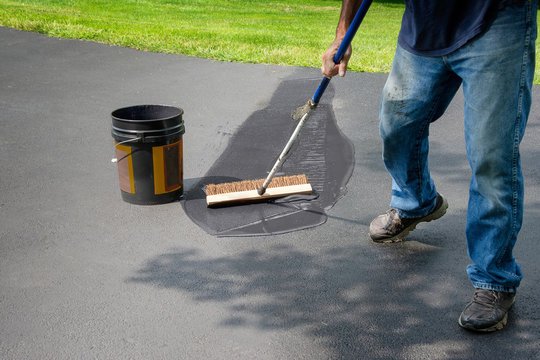
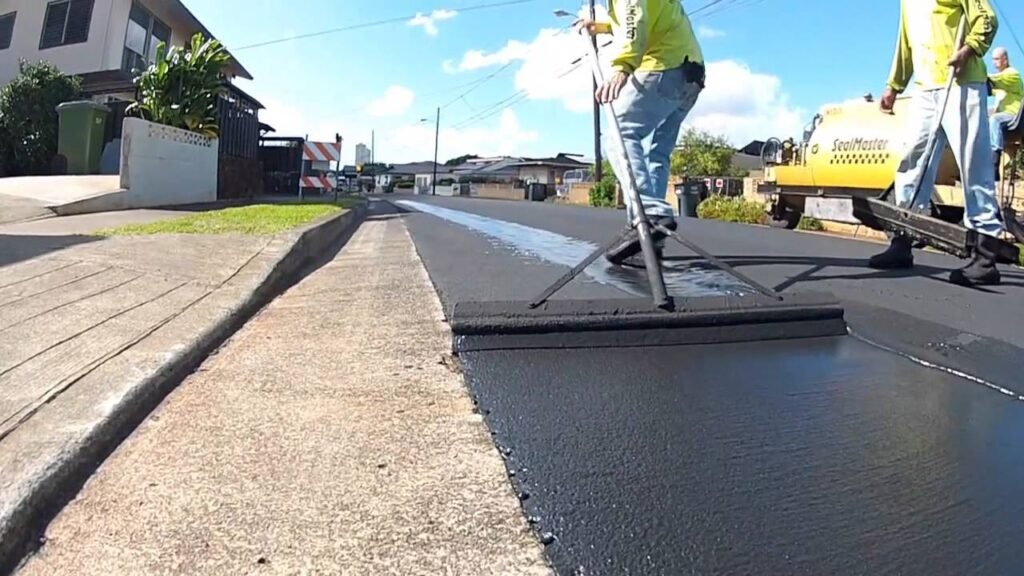
Sealcoating is like sunscreen for your asphalt. It’s a protective liquid layer applied over the surface that shields it from UV rays, water, oil, and everyday wear. It also gives asphalt that fresh, dark black appearance.
Recommended schedule: Every 2–3 years, depending on traffic and climate.
Important: Never sealcoat a freshly laid surface. Wait at least 6–12 months for new asphalt to cure before applying sealant.
4. Pothole Repair
Potholes are the most visible sign of neglected asphalt. They form when water enters cracks, freezes and expands (in cold climates) or when the base layer erodes. Left unrepaired, potholes grow rapidly and can damage vehicles.
Repair methods:
- Throw-and-roll: Quick temporary fix using cold patch material
- Semi-permanent repair: Proper cleaning of the pothole edges and hot asphalt fill
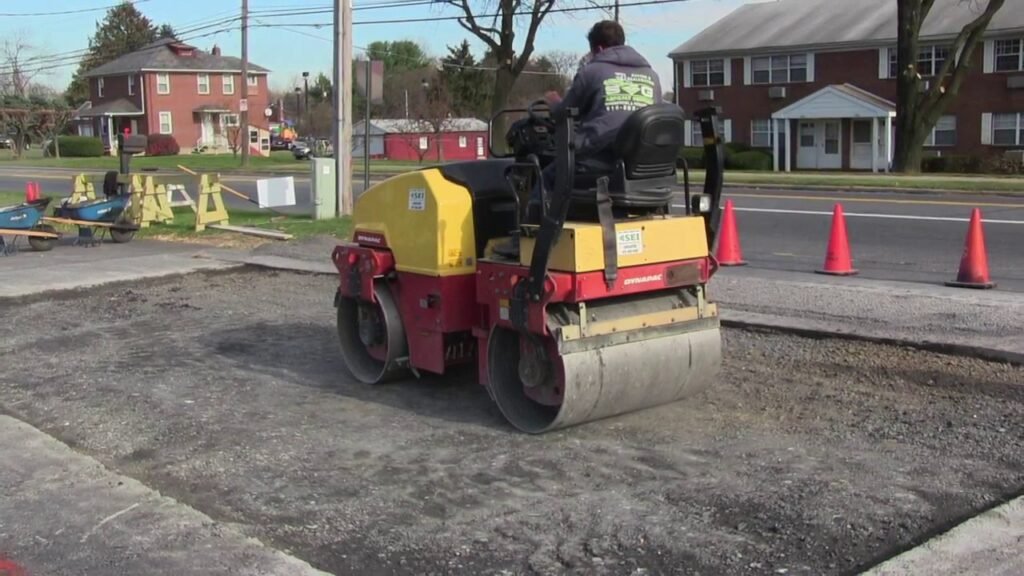
- Full-depth repair: For severe cases — removing the damaged section entirely and repaving
5. Drainage Maintenance
Poor drainage is one of the leading causes of asphalt damage. Standing water softens the base and accelerates cracking. Make sure your surface has proper slope and that drains and gutters are clear at all times.
6. Line Marking Refresh
For parking lots and road surfaces, faded line markings are not just an aesthetic issue — they’re a safety concern. Repainting lines and symbols regularly keeps the area organised and legally compliant.
Maintenance Schedule at a Glance
| Task | Frequency |
|---|---|
| Cleaning & sweeping | Monthly |
| Crack inspection | Every 6 months |
| Crack sealing | As needed |
| Sealcoating | Every 2–3 years |
| Pothole repair | Immediately when spotted |
| Line marking | Every 1–2 years |
When to Call a Professional
DIY maintenance works well for minor issues, but some situations require professional attention:
- Widespread cracking across large areas
- Sunken or uneven surface sections
- Recurring potholes after repeated repairs
- Base layer failure
A professional asphalt contractor can assess the damage and recommend the most cost-effective solution — whether that’s patching, overlay, or full replacement.
Conclusion
Asphalt maintenance is not about fixing problems — it’s about preventing them. A small investment in regular upkeep saves thousands in premature replacement costs. Clean it, seal it, repair cracks early, and ensure proper drainage — and your asphalt surface will serve you reliably for decades.