Right-Time Sealcoating Assessment
The best time to sealcoat is when the pavement is suitable, the surface is properly prepared, and the weather allows the coating to be applied and cured to the manufacturer's instructions. There's no single date or interval that suits every driveway or lot.
When we plan your asphalt sealcoating schedule, we look at three factors:
Pavement Condition
The asphalt should be stable and suitable for a protective coating.
Weather Conditions
Rain, temperature, humidity, and drying conditions affect application and curing.
Maintenance History
Previous sealcoating, repairs, traffic, and surface wear shape when the next treatment fits.
Sealcoating protects suitable asphalt and restores a darker look, but it cannot repair structural damage or replace proper maintenance.
Ongoing Sealcoating Schedules for Driveways & Parking Lots
How often asphalt needs sealcoating depends on how it's used and how quickly it shows wear. We set your schedule around the product, traffic, weather exposure, condition, and previous treatments.
Residential Driveway Scheduling
Home driveways usually see less traffic than busy commercial lots. Their maintenance depends on vehicle use, sun exposure, drainage, and asphalt condition. Driveway sealcoating timing follows the driveway's appearance and condition — not a fixed calendar date.
- Vehicle use
- Sun exposure
- Drainage
- Asphalt condition
- Fading and wear
- Previous sealcoat
Faded but structurally sound? See our residential driveway sealcoating service.
Plan My Driveway Schedule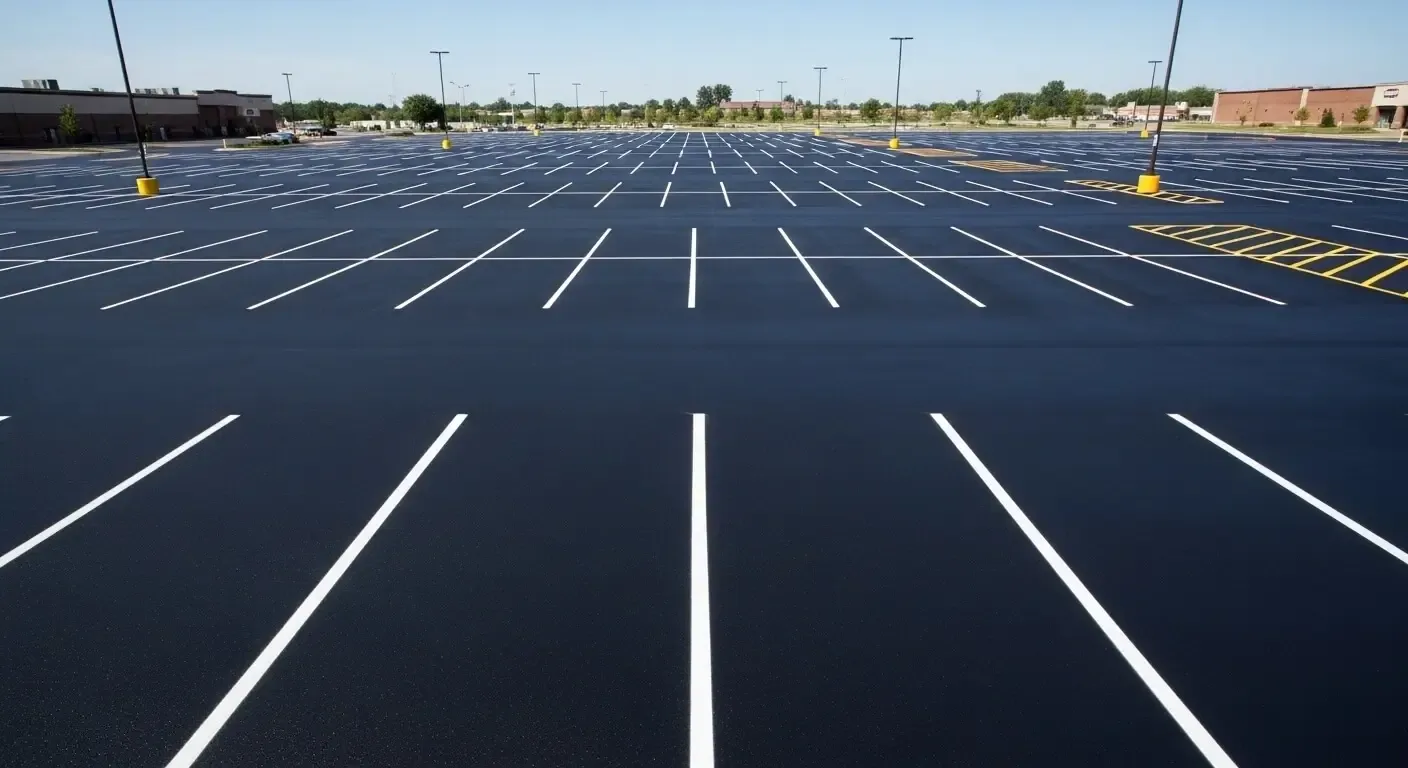
Commercial Parking Lot Scheduling
Commercial lots see higher traffic, repeated turning, and greater demands on access and appearance. Parking lot sealcoating is planned around vehicle activity, pavement condition, and your operating hours.
- Crack filling
- Asphalt repairs
- Line striping
- Curing time
- Access restrictions
- Business hours
Learn more about commercial parking lot sealcoating.
Plan My Lot ScheduleSigns Your Asphalt Is Ready for Sealcoating
Recognizing these surface changes helps you arrange an inspection at the right time.
The Asphalt Has Turned Gray
Sunlight and aging fade dark asphalt to gray. Fading alone isn't damage — if the pavement is sound, asphalt surface protection through sealcoating may fit.
The Surface Looks Worn
Years of traffic and weather leave visible wear. If the pavement is stable without significant damage, a protective coating can refresh its appearance.
Minor Cracks Are Appearing
Small cracks are inspected first and may need separate asphalt crack repair. Larger, moving, or water-related cracks need more extensive work.
Routine Lot Maintenance Is Due
A commercial lot may need attention when it fades or planned maintenance is due — inspected first for potholes, drainage, and failed patches.
The Previous Sealcoat Has Worn
Traffic and weather wear coatings away. We check that the existing coating and asphalt suit another layer, so preparation gives proper adhesion.
Signs Your Asphalt Is Ready for Sealcoating
Recognizing these surface changes helps you arrange an inspection at the right time.
The Asphalt Has Turned Gray
Sunlight and aging fade dark asphalt to gray. Fading alone isn't damage — if the pavement is sound, asphalt surface protection through sealcoating may fit.
The Surface Looks Worn
Years of traffic and weather leave visible wear. If the pavement is stable without significant damage, a protective coating can refresh its appearance.
Minor Cracks Are Appearing
Small cracks are inspected first and may need separate asphalt crack repair. Larger, moving, or water-related cracks need more extensive work.
Routine Lot Maintenance Is Due
A commercial lot may need attention when it fades or planned maintenance is due — inspected first for potholes, drainage, and failed patches.
The Previous Sealcoat Has Worn
Traffic and weather wear coatings away. We check that the existing coating and asphalt suit another layer, so preparation gives proper adhesion.
Planned Asphalt Maintenance Inspections
A planned asphalt pavement maintenance schedule lets you monitor surface condition, arrange the right work, and catch problems that shouldn't be covered by sealcoat. Our inspections help you:
Cracks & Surface Wear
Identify visible cracks and wear.
Potholes & Drainage
Check for potholes and drainage problems.
Previous Repairs
Review the condition of past repairs.
Property Use
Plan maintenance around how the site is used.
Sealcoat Suitability
Confirm sealcoating is still the right fit.
Repair Budgeting
Budget for repairs or resurfacing when needed.
Asphalt Sealcoating Services in Central Florida
Faded driveway or commercial lot, or unsure if it's time for another treatment? We serve Central Florida — confirm availability for your location.
Request a Free Sealcoating Estimate
Call 863-271-6850 to discuss your property and schedule.