Home
Our Services
Asphalt Paving
Pressure Washing
Sealcoating
Sign Installation
Service Areas
Orlando
Lakeland
Our Projects
Blog
About Us
Contact Us
Get a Free Quote →
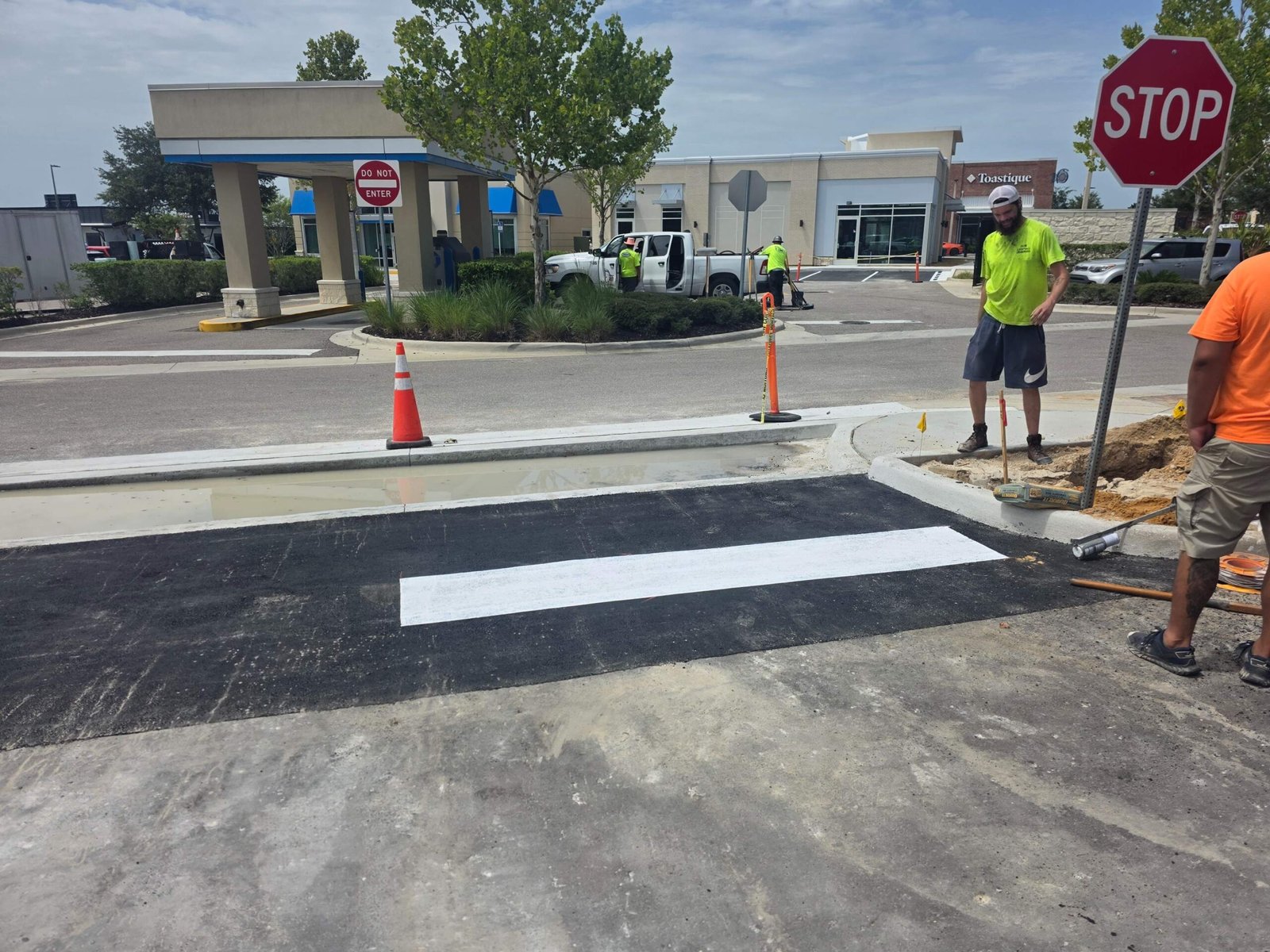
Asphalt resurfacing generally involves placing a new asphalt layer over an existing pavement that is suitable for an overlay. It can renew the driving surface without complete removal and reconstruction of every pavement layer.
Before resurfacing begins, the existing asphalt must be evaluated. Widespread base failure, severe settlement, and unresolved drainage issues may require more extensive work than a new surface layer.
Our resurfacing services can be suitable for:
The appropriate treatment depends on the pavement's condition, site requirements, and intended use. An assessment helps determine whether resurfacing is a suitable investment.
A successful resurfacing project requires more than applying fresh asphalt. The condition of the existing pavement and the preparation completed beforehand play important roles in the result.
We inspect the driveway or parking lot — visible cracks, potholes, depressions, surface wear, drainage patterns, and signs of movement.
This shows whether damage is limited to the surface or extends into the supporting layers.
Loose debris, dirt, vegetation, and other materials are removed to create a suitable surface.
Preparation may also involve removing loose asphalt, correcting unsuitable areas, or completing localized repairs.
Defects are addressed before the new layer — pothole repairs, crack treatment, asphalt pavement repair, or localized reconstruction.
Areas with a failed base may need deeper repairs, or the damage can reappear through the new surface.
Standing water and poor drainage contribute to deterioration and shorten the life of a resurfaced area.
We account for slopes, drainage points, pavement edges, and connections. Substantial corrections are included in the project scope.
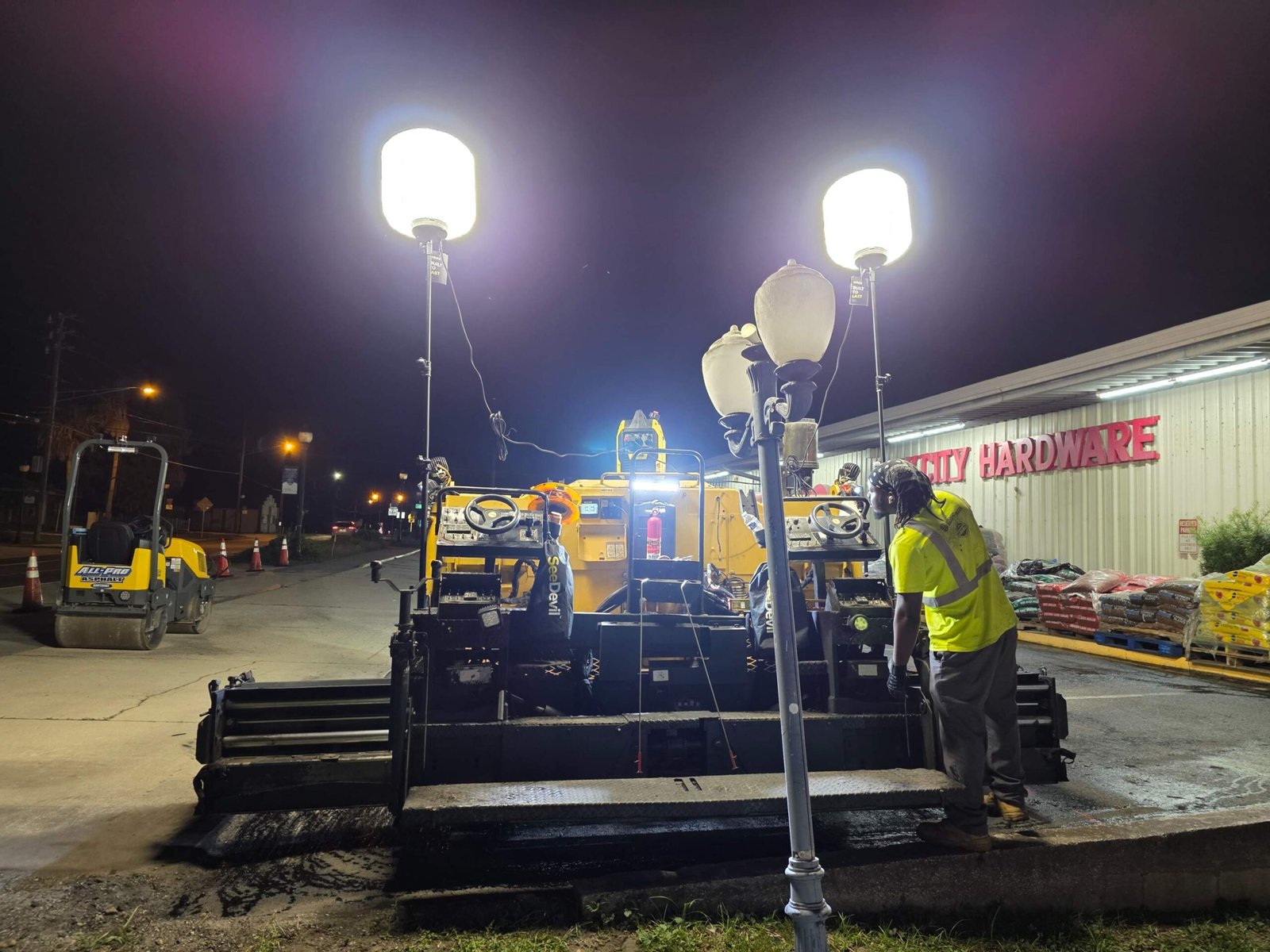
The new asphalt layer is placed to the project's specifications.
Material, layer thickness, and paving method depend on the existing surface, site conditions, and expected traffic.
Compaction helps the asphalt achieve the required density. Surface, edges, transitions, and connections are checked against the project requirements.
We explain when the resurfaced area can be opened to vehicle traffic.
Not sure if your pavement can take an overlay? Step 1 is a free inspection — we'll tell you honestly.
Book an Inspection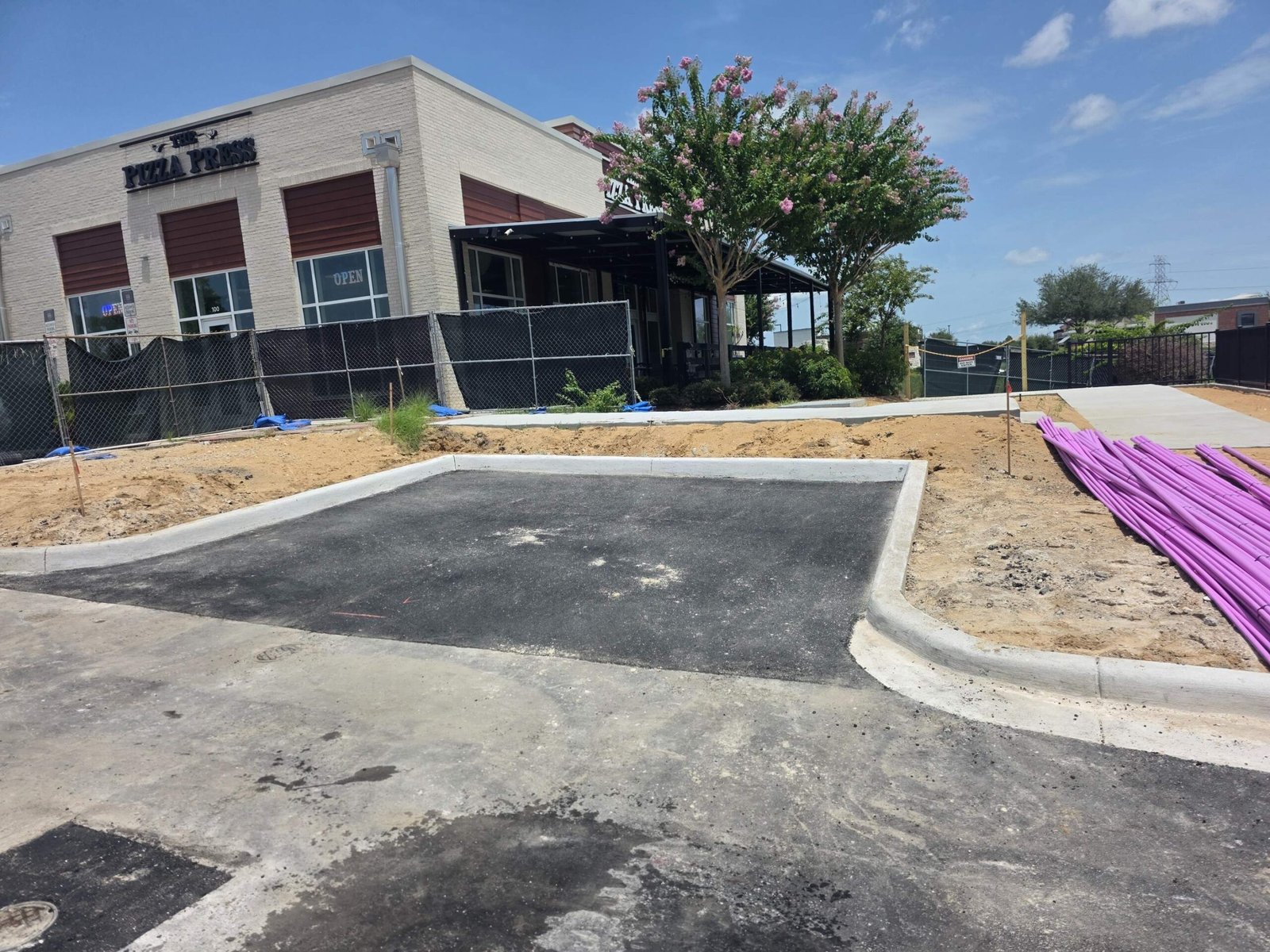
A driveway is used frequently, so surface deterioration affects daily access to your home. Asphalt driveway resurfacing may be appropriate when the driveway has surface wear but remains stable enough to support an overlay — renewing its appearance and creating a more consistent surface.
Before recommending an overlay, we assess:
If the driveway has extensive structural damage, partial or complete reconstruction — like a residential asphalt paving project — may be the better long-term solution.
Commercial lots carry everything from passenger vehicles to delivery trucks. Over time, the asphalt may develop surface wear, cracking, and uneven areas. Parking lot resurfacing can renew an existing paved area when the underlying pavement remains suitable for an overlay — and gives a better base for new markings when line striping is included.
Resurfacing may be considered for:
The work should account for traffic loads, drainage, pavement condition, entrances, and existing markings. Commercial sites may also need a plan for managing vehicle and pedestrian access during construction.
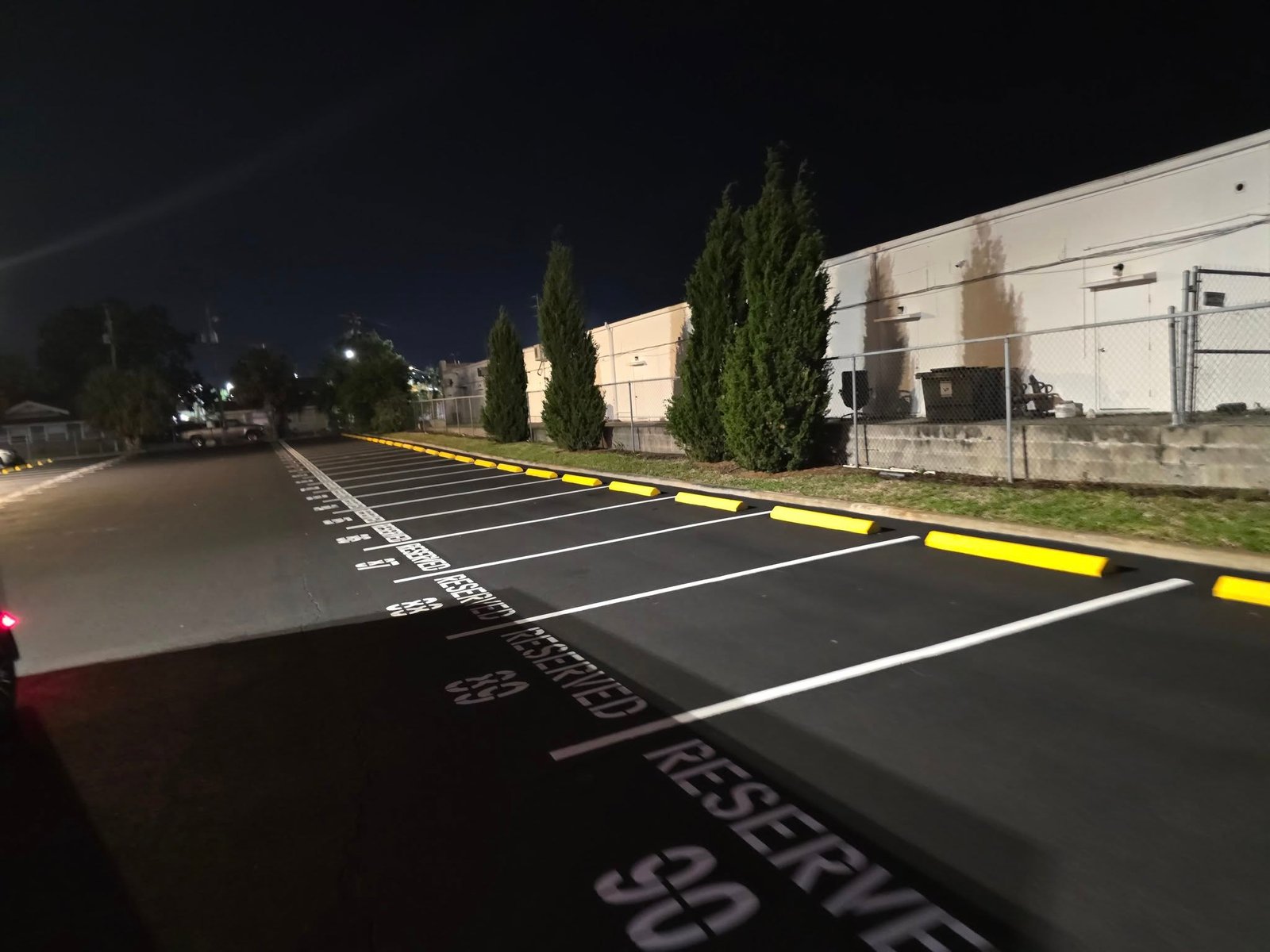
When the existing pavement is suitable, resurfacing offers several practical advantages. It is not suitable for every damaged pavement — the best option depends on the asphalt's condition and the causes of deterioration.
A new asphalt layer provides a more uniform finish and makes an aging driveway or parking lot look better maintained.
Resurfacing makes use of an existing pavement structure when it remains stable and meets overlay requirements — which may avoid complete reconstruction.
Surface wear and some localized problems can be treated during preparation and resurfacing. The repairs needed depend on the existing asphalt.
An overlay can be considered for driveways, parking lots, and other paved areas when the existing pavement is appropriate for resurfacing.
Resurfacing may be coordinated with localized repairs, grading adjustments, and new parking lot markings — confirmed before the estimate is finalized.

We'll inspect it and tell you whether an overlay makes sense.
Get a Free EstimateChoosing between resurfacing and replacement depends on the condition of the existing pavement.
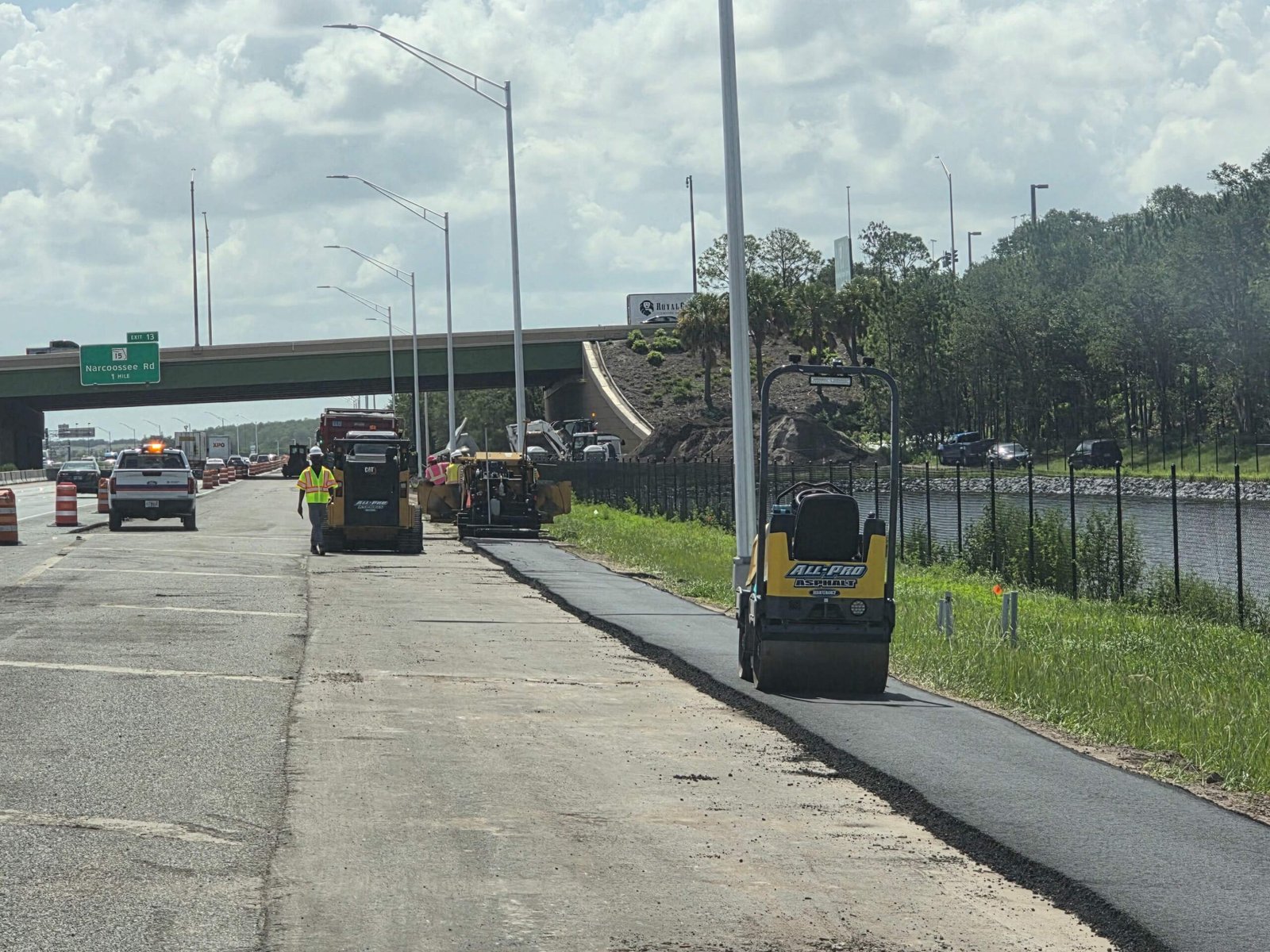
Adds a new layer over a suitable existing surface. May be appropriate when the pavement foundation remains stable and surface wear is the main concern.
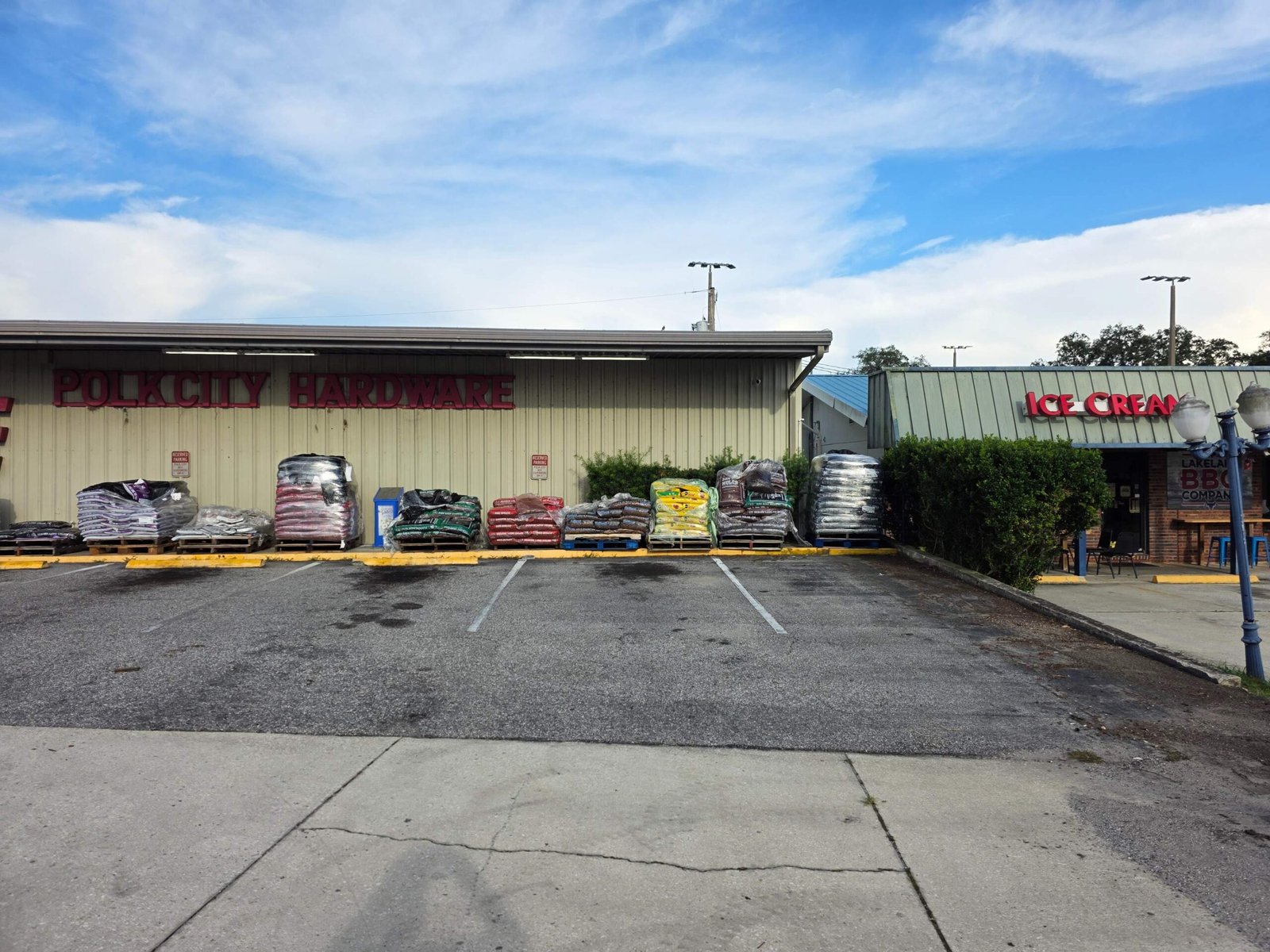
Removes some or all of the existing pavement and rebuilds the affected layers. May be necessary with extensive cracking, recurring potholes, severe settlement, or a failed foundation.
In some situations, localized repairs can address isolated defects without resurfacing the entire area. A pavement inspection identifies the likely cause of damage and the right approach — so you don't pay for an overlay that won't resolve underlying problems.
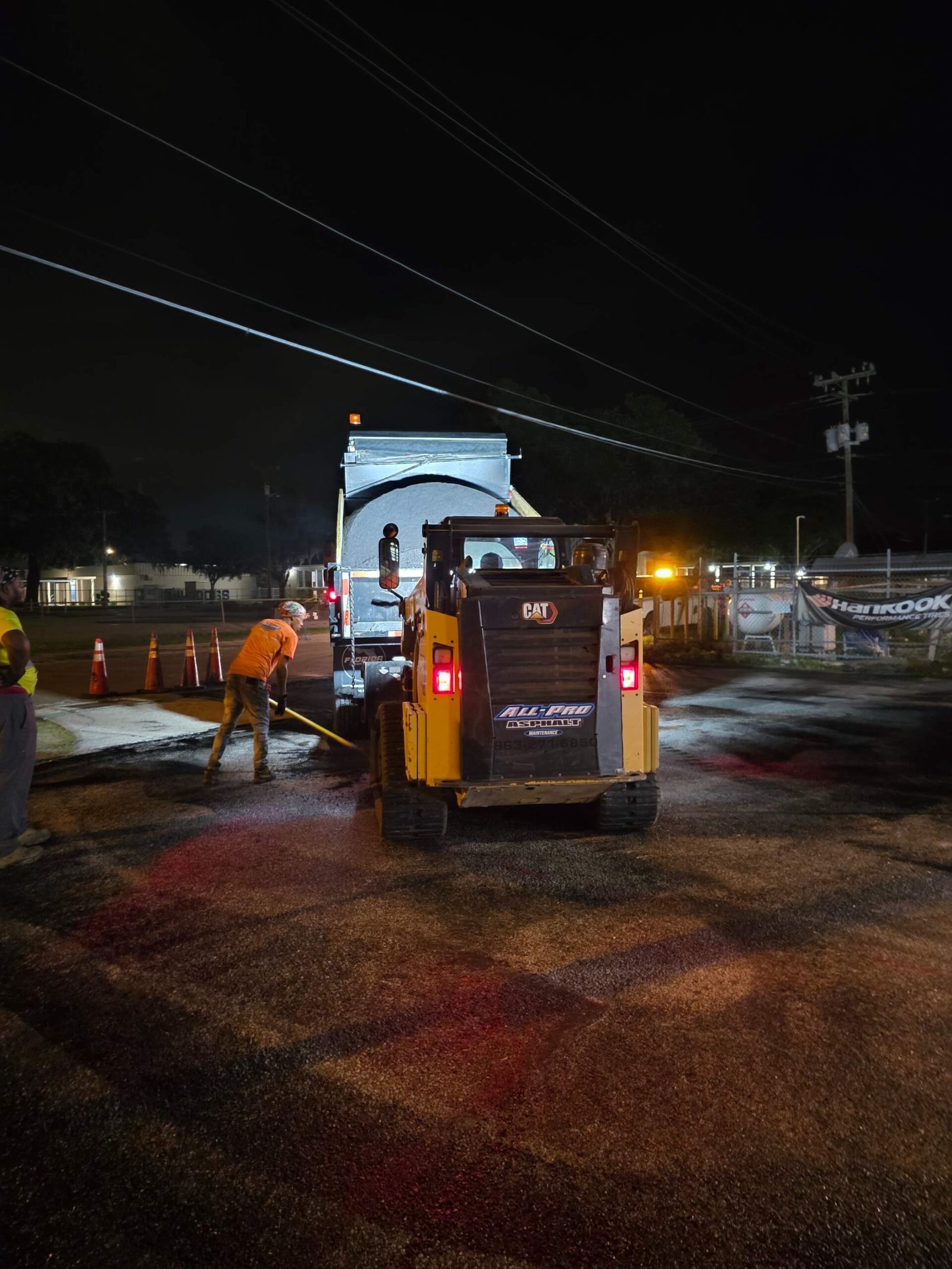
Once resurfacing is complete, routine care helps preserve the condition of the new surface. Recommended practices include:
Follow the contractor's instructions before opening the area to traffic.
Keep the pavement and drainage areas clear of debris.
Monitor the surface for cracks, standing water, and localized settlement.
Arrange repairs when defects first appear.
Keep parking lot markings visible where applicable.
Consider sealcoating when appropriate for the pavement's condition and plan.
Sealcoating is a separate maintenance treatment. It does not replace resurfacing or repair a failed pavement foundation. The right approach depends on the age, condition, and use of the asphalt — see our asphalt maintenance and repair guide.
Choosing the right contractor for asphalt resurfacing starts with understanding the condition of your pavement and the work required to prepare it.
We provide asphalt paving and maintenance services for residential and commercial property owners across our Central Florida service area. When assessing a resurfacing project, important considerations include:
Existing pavement condition.
The cause and extent of surface damage.
Base stability and drainage.
The type of vehicles using the area.
Required repairs and surface preparation.
The intended use of the driveway or parking lot.
Future maintenance needs.
Our team can discuss these factors with you and help you understand the options available for your property.
